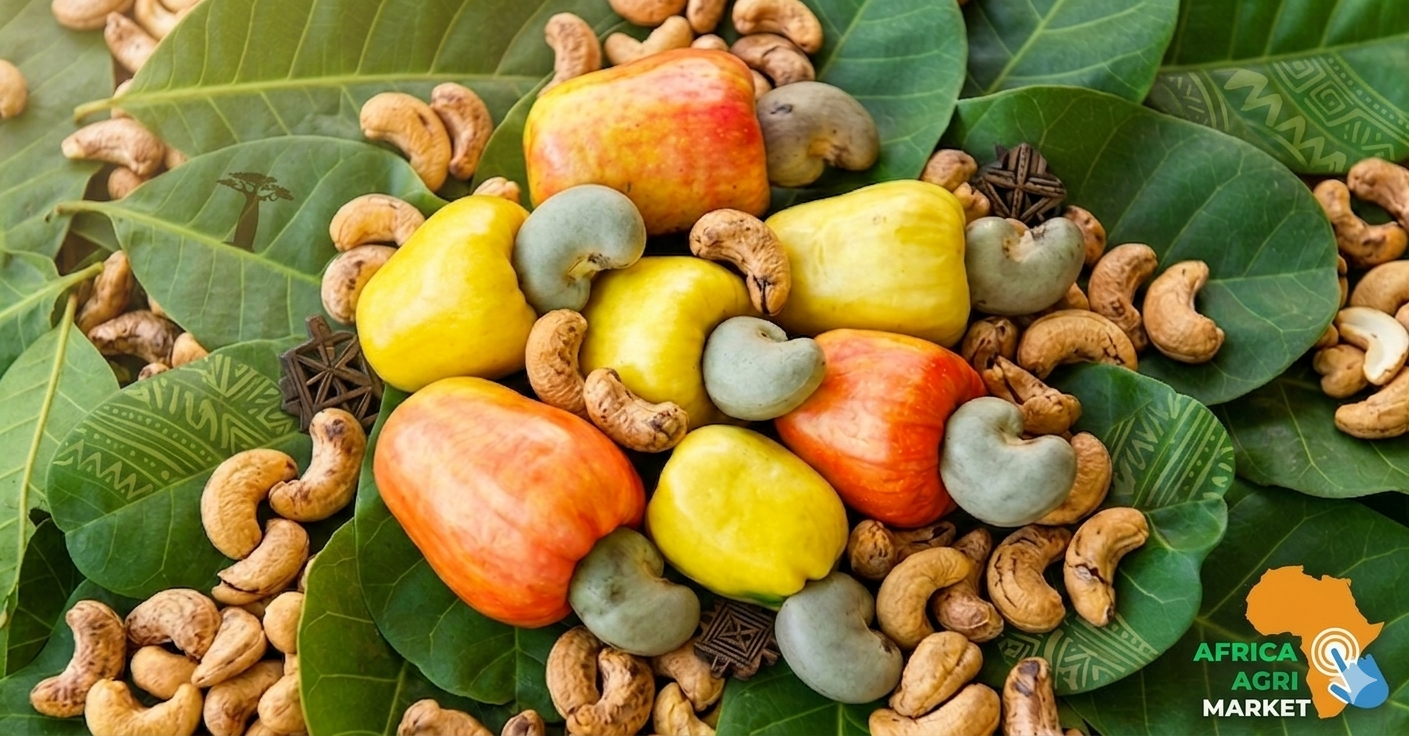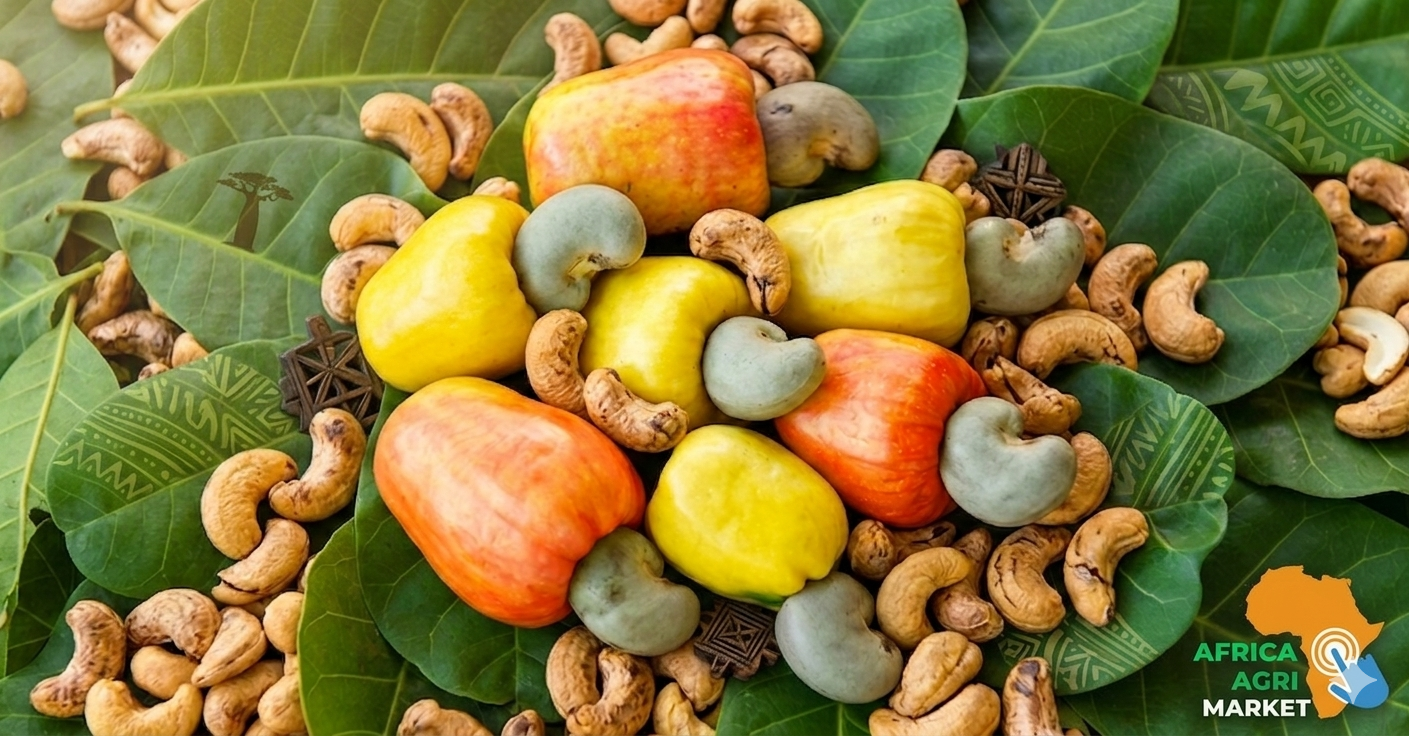
Africa has firmly established itself as the global leader in raw cashew nut production, supplying more than 60% of the world’s total output. This remarkable growth highlights the continent’s rising importance in the global agricultural economy and its critical role in feeding international demand for one of the world’s most popular nuts.
Several African nations are at the forefront of this success. Countries such as Côte d’Ivoire, Tanzania, Benin, Ghana, and Nigeria have significantly expanded their cashew production over the past decade. Favorable climates, increased investment in farming, and government support have helped farmers boost yields and improve quality. Among these, Côte d’Ivoire has consistently ranked as the world’s largest producer of raw cashew nuts, exporting millions of tons annually to international markets.
Despite producing the majority of the world’s cashews, Africa processes only a small portion locally. An estimated 70–75% of raw cashew nuts are exported—primarily to countries like India and Vietnam, where they are shelled, roasted, and packaged for consumers. This means that while Africa leads in production, much of the value addition—and profit—takes place outside the continent.
Recognizing this imbalance, many African governments and private investors are now working to develop local processing industries. New factories, training programs, and policy reforms are being introduced to encourage domestic processing and reduce reliance on exports of raw nuts. This shift aims to:
Africa’s dominance in cashew production makes it a key player in global food supply chains. Any changes in production levels, climate conditions, or trade policies across the continent can significantly influence global cashew prices and availability.
Africa’s contribution of over 60% of the world’s raw cashew nuts is a testament to its agricultural strength. As the continent moves toward processing more of its produce locally, it stands poised not only to feed the world—but also to capture a larger share of the economic benefits.