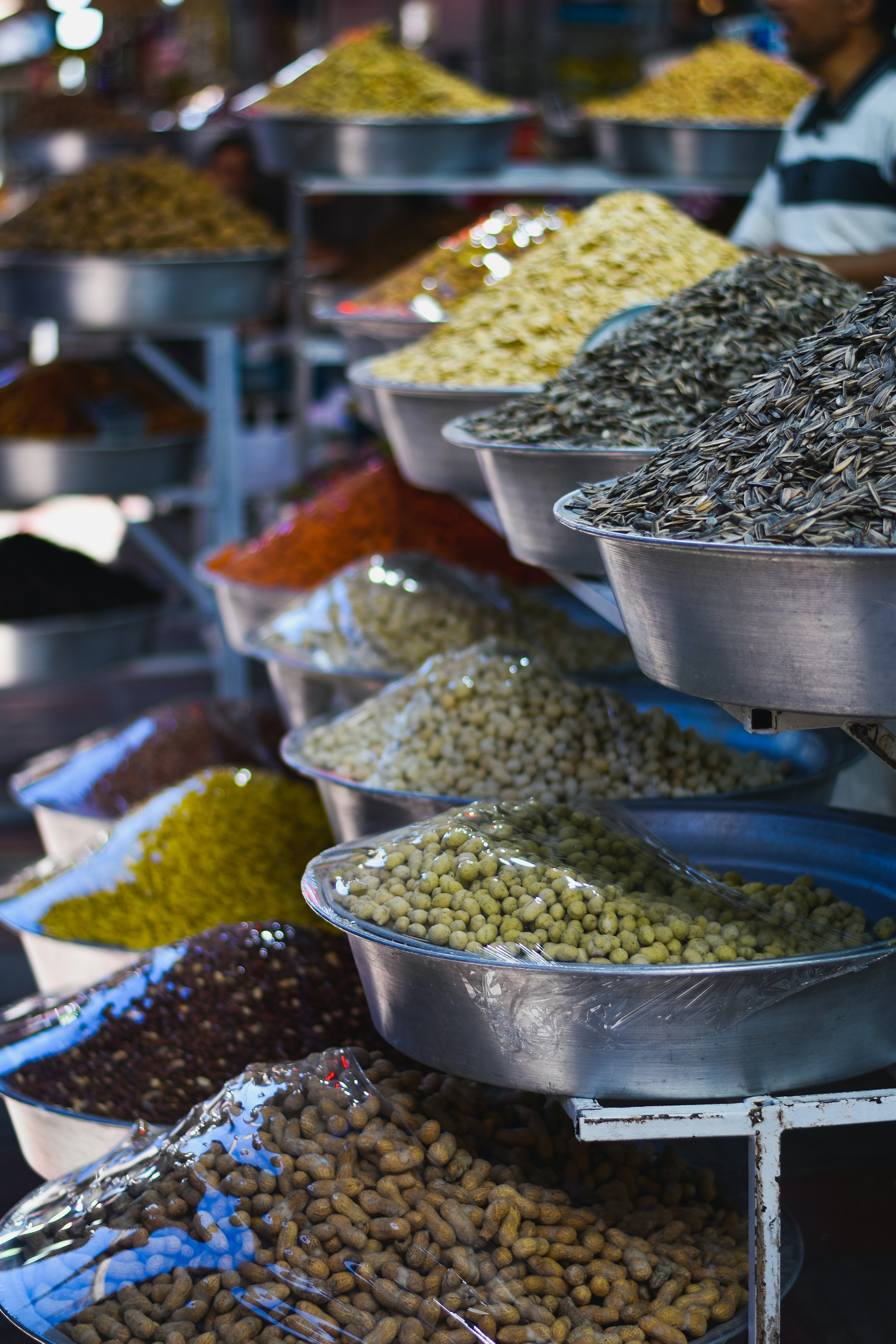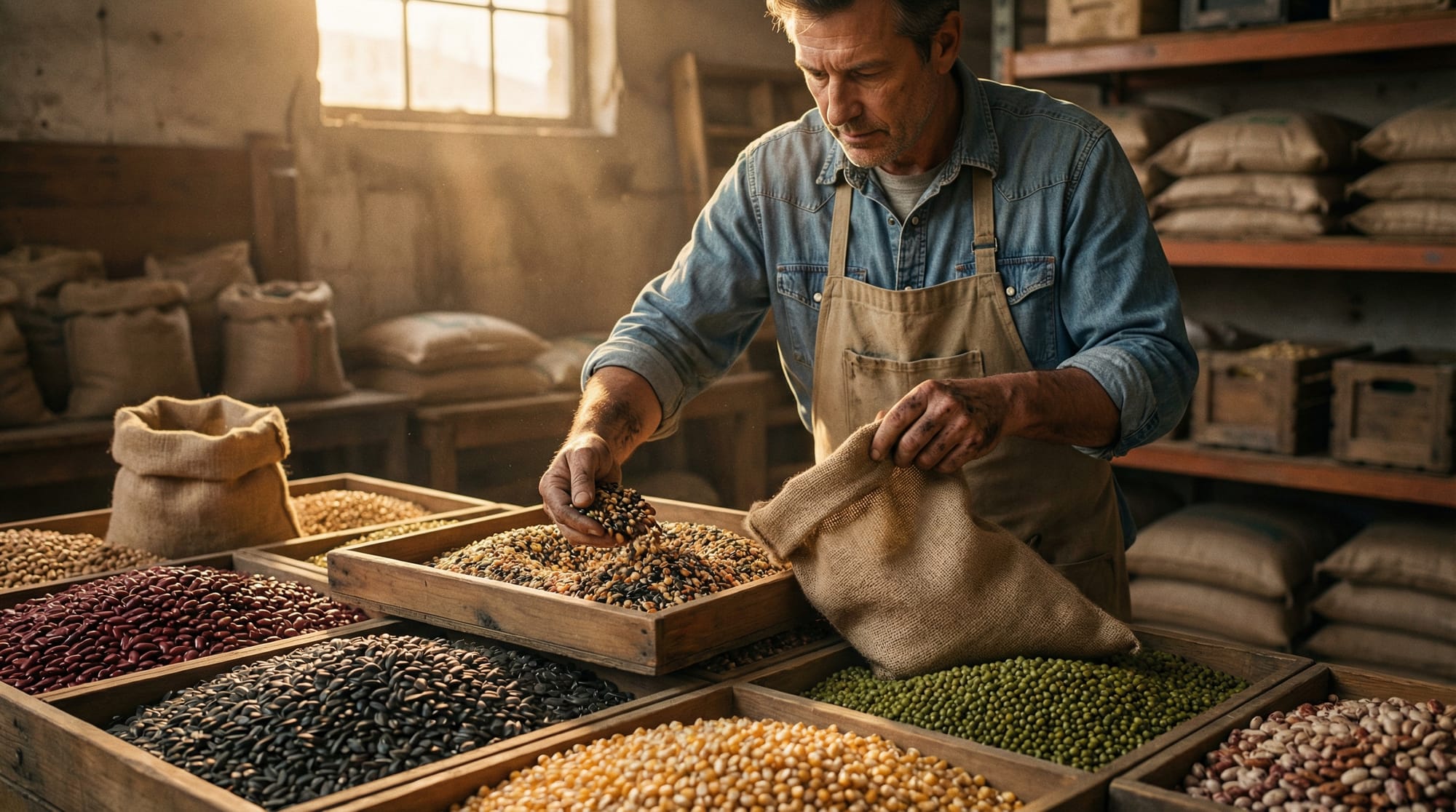
Global pulse production has witnessed remarkable growth over the past two decades, rising from approximately 8.7 million tonnes in the early 2000s to nearly 23.7 million tonnes today. Industry experts attribute this significant increase largely to the expanding role of smallholder farmers, who continue to drive agricultural productivity across developing economies. The rapid growth in pulse output reflects increasing global demand for protein-rich, affordable, and sustainable food sources. Pulses such as lentils, chickpeas, beans, and peas have become essential staples due to their nutritional value and environmental benefits, including soil enrichment and lower water requirements compared to other crops.
Smallholder farms, particularly across Africa and Asia, have played a crucial role in boosting production through improved farming practices, better seed varieties, and enhanced access to agricultural support programs. Governments and international organizations are also investing in rural infrastructure, irrigation systems, and farmer education initiatives to strengthen pulse cultivation.
Agricultural analysts believe the continued expansion of the pulse sector could significantly contribute to food security, rural employment, and sustainable farming practices worldwide. As consumer preference shifts toward plant-based proteins and healthier diets, the global pulse market is expected to maintain strong momentum in the years ahead. The surge in production highlights the resilience and importance of small-scale farmers in supporting global food systems and meeting the rising demand for nutritious agricultural commodities.