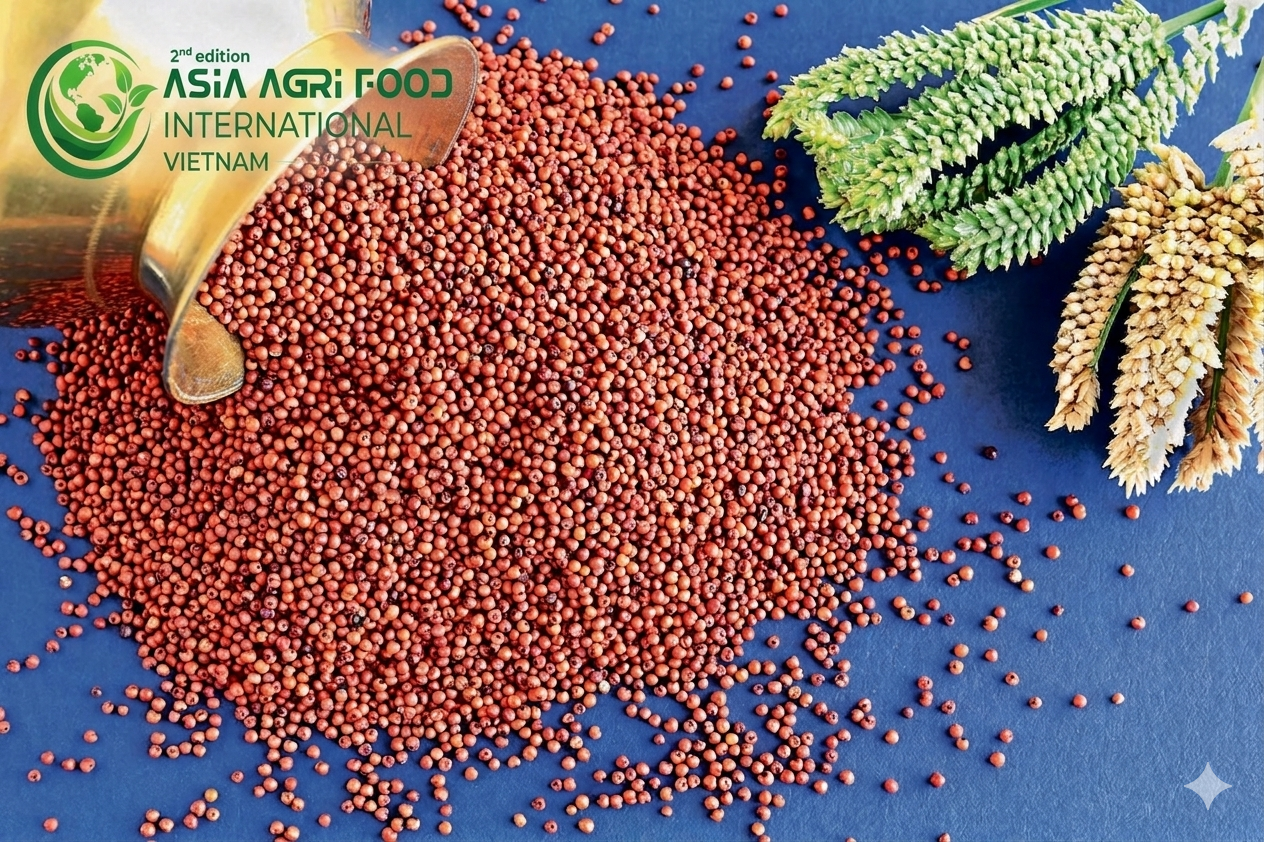
The millet market in Southeast Asia is experiencing a notable upswing, driven by a growing, health-conscious consumer base, increased sustainability awareness, and rising investment in product innovation. With a projected Compound Annual Growth Rate (CAGR) of 5.1% between 2026 and 2033, the regional market is transitioning from traditional, subsistence-based farming to a more commercialized sector focused on nutrition.
The Asia-Pacific region, including Southeast Asia, is currently in an early-growth stage, with a strong upward trend propelled by the demand for gluten-free and nutritious food options. The market is poised for consistent expansion, with projections indicating a significant increase in the adoption of millet-based alternatives in the regional food industry. The surge is largely fueled by consumer awareness of millet's high fiber, protein, and mineral content, which appeals to health-conscious individuals and those seeking gluten-free foods.
As Southeast Asia faces climate change impacts, millets are being recognized as a "climate-smart" crop due to their low water requirement (using ~70% less water than rice) and resilience to drought and high temperatures. Food manufacturers are increasingly introducing innovative millet-based products, including breakfast cereals, snacks, and ready-to-eat meals, to cater to urban lifestyles. Regional initiatives promoting sustainable agriculture are boosting millet cultivation, and after the 2023 International Year of Millets, regional governments are increasing focus on the sector's growth. Despite the positive trend, competition from staple grains like rice and wheat remains high, and consumer awareness is still limited in non-traditional urban markets. Inadequacy in post-harvest infrastructure (e.g., modern milling and processing facilities) and a shorter shelf life for some millet products are key hurdles to large-scale adoption. the Southeast Asia millet market represents an emerging opportunity that brings together health, sustainability, and food security in a rapidly evolving food landscape.