ARTICLE 4 #AsiaPacific
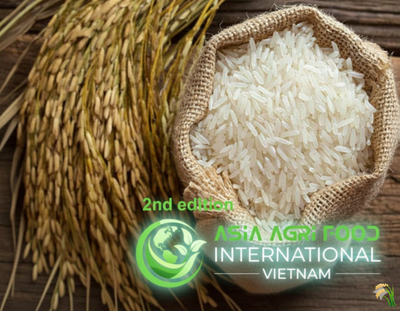
The Asia‑Pacific rice market, valued at nearly USD 449 billion in 2024, is expected to sustain long‑term growth in both volume and value through 2035, led by robust consumption in major markets and dynamic regional trade flows.
Read More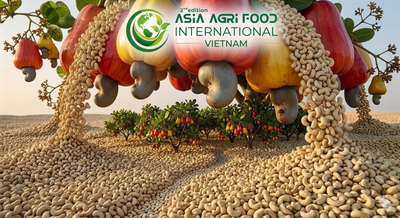
This trend is further supported by the expansion of online retail and premium food segments across Asia-Pacific. However, the industry also faces challenges. Southeast Asia remains heavily dependent on raw cashew imports from Africa, making it vulnerable to supply chain disruptions and rising logistics costs. Recent reports indicate that higher shipping costs and geopolitical tensions could impact export margins in 2026.
Read More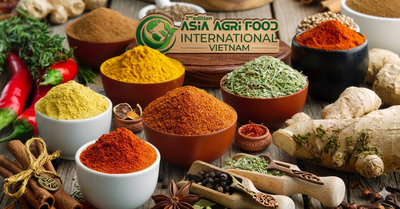
Key countries such as India, China, Vietnam, Indonesia, and Thailand are driving this growth. These nations not only cater to high domestic demand but also play a crucial role in global spice trade. Vietnam leads in pepper exports, while India dominates in a wide range of spices including turmeric, cumin, and chili, reinforcing the region’s importance in international markets.
Read More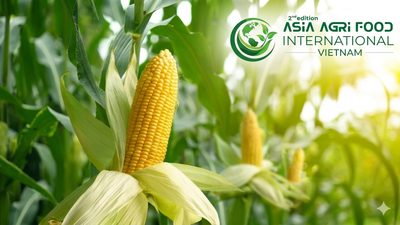
Asia-Pacific corn market is positioned for stable growth, supported by structural demand from food, feed, and industrial sectors. The projected 4.9% CAGR highlights the region’s importance in the global agricultural landscape and signals continued opportunities for producers, traders, and investors alike.
Read More