ARTICLE 4 #SupplyChain
🌍♻️ The project reflects strong investment confidence and a commitment to long-term economic growth in the region.
Read More
rice-exporting countries such as Vietnam, Thailand, and India are closely monitoring the situation. The Philippines has historically been a key buyer, and any reduction in demand may redirect export flows to alternative markets in Africa or the Middle East. Exporters may need to adjust pricing strategies, while shipping routes and trade contracts could see temporary disruptions.
Read More
export demand for certain varieties. Staples such as turmeric, cumin, and coriander have seen noticeable price corrections in wholesale markets, particularly due to higher-than-expected production and steady inflow from major growing regions. Despite this decline, the broader food inflation trend remains a concern.
Read More
The buffer stock is also expected to help control inflation and protect consumers from sudden price spikes. Experts note that while the reserves are reassuring, continued monitoring of weather patterns and global supply chains will remain essential to maintain long-term food security.
Read More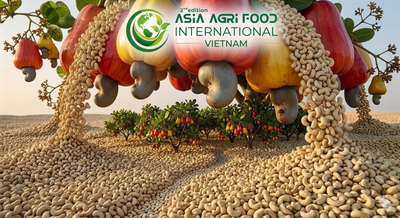
This trend is further supported by the expansion of online retail and premium food segments across Asia-Pacific. However, the industry also faces challenges. Southeast Asia remains heavily dependent on raw cashew imports from Africa, making it vulnerable to supply chain disruptions and rising logistics costs. Recent reports indicate that higher shipping costs and geopolitical tensions could impact export margins in 2026.
Read More