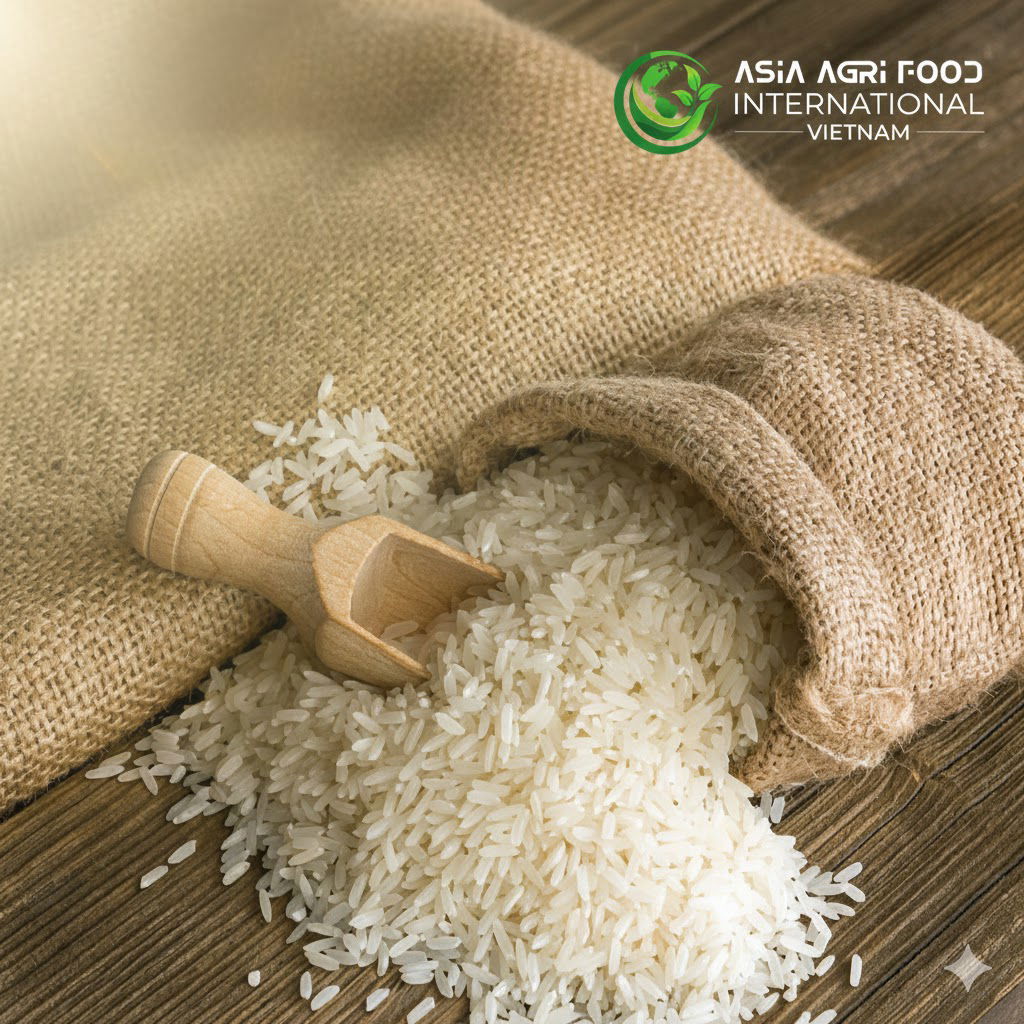
Basmati rice exports from Punjab to Iran have been severely affected due to an ongoing currency crisis in the West Asian country, leaving stocks worth nearly ₹2,000 crore stranded at Indian ports. Iran is one of the largest buyers of Indian basmati rice, and the disruption has caused serious concern among exporters and traders. According to industry officials, Iranian importers are struggling to make payments as sharp depreciation of the Iranian rial and banking restrictions have limited access to foreign currency. As a result, several consignments that had already reached ports or were ready for shipment have been put on hold, leading to rising storage costs and logistical challenges.
Exporters in Punjab say the situation has created a liquidity crunch, particularly for small and medium traders who rely heavily on timely payments to continue operations. Many fear that prolonged delays could force them to sell stocks at lower prices or divert shipments to alternative markets, often at reduced margins.
Farmers are also feeling the indirect impact, as uncertainty in exports could put downward pressure on basmati prices in the domestic market. Trade bodies have urged the central government to intervene by exploring alternative payment mechanisms, new export destinations, or diplomatic channels to ease the crisis.While exporters remain hopeful that the situation may stabilize in the coming months, the current disruption highlights the risks of overdependence on a single major market and the need to diversify India’s basmati export base.