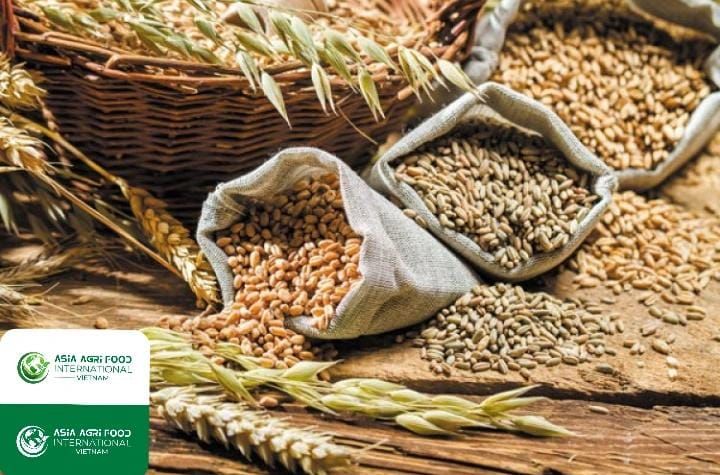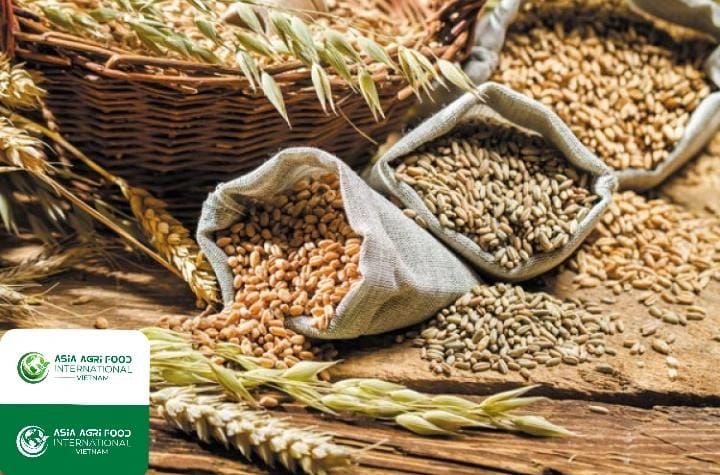
- Rice, wheat & corn prices have shown volatility globally and in Asia. Extreme weather and policy shifts have influenced regional market behavior — although in some cases recent data show mixed signals rather than uniform price surges.
- Indonesia is currently seeing record‑high rice prices domestically, despite strong production and reserves — driven largely by government policy to support farmers and tighten market supply.
- Asian millers are increasing wheat purchases, particularly from the U.S., due to competitive pricing and delays in other global supplies like those from the Black Sea region.
- Global rice prices have recently fallen from earlier peaks, partly due to strong harvests and lifted export restrictions. However this adds complexity to narratives of “prices surging” as oversupply can depress prices even when other grains rise.
🍚 Rice
- Extreme weather (flooding, droughts) over recent decades has reduced rice yields in several Asian regions, contributing to longer‑term supply pressures.
- Water scarcity and resource constraints are emerging challenges for large rice producers such as India — where heavy groundwater extraction tied to rice cultivation raises sustainability concerns.
🌾 Wheat
- Weather conditions like heat and dryness in key growing regions have prompted import activity (e.g., China buying foreign wheat) and risk sentiment — although wheat markets have not universally surged and sometimes reflect mixed trends.
🌽 Corn
- Global corn stocks are under pressure, with inventories at multi‑year lows, creating upside risk for prices if supplies tighten further. Weather impacts on yields in major exporters (U.S., EU, Ukraine) are a key factor here.
📦 Policy & Trade
- Export restrictions or policy shifts (e.g., past bans on rice exports) can tighten available supply and lead to price pressure — though the exact market impact varies with timing and region.
- Despite short‑term pressure points, some major producers like India have large grain inventories, which can provide a buffer against sudden price spikes, even as domestic prices remain elevated in some markets. Rice markets see both price volatility and local spikes despite periods of oversupply and recent global price declines.
- Wheat dynamics reflect shifting import demand and weather concerns rather than uniform price surge.
- Corn supply concerns (low global stocks) pose upside price risks, though recent price movements vary by market.
Overall, markets remain sensitive to weather, policy and trade flows, and any new shock (climate event or trade restriction) could quickly change price trajectories again.