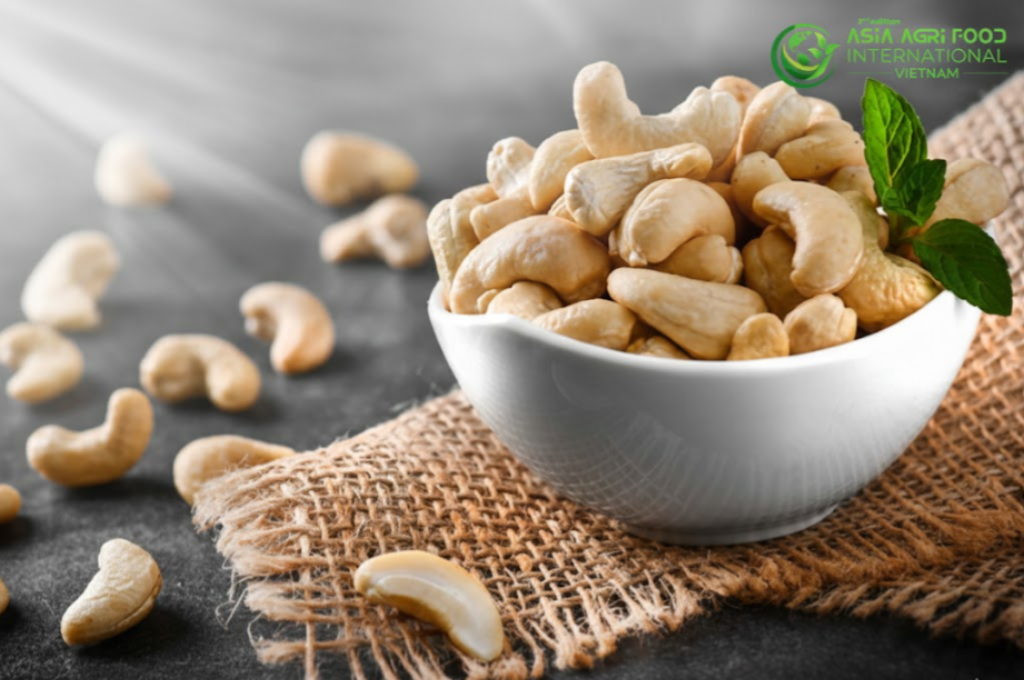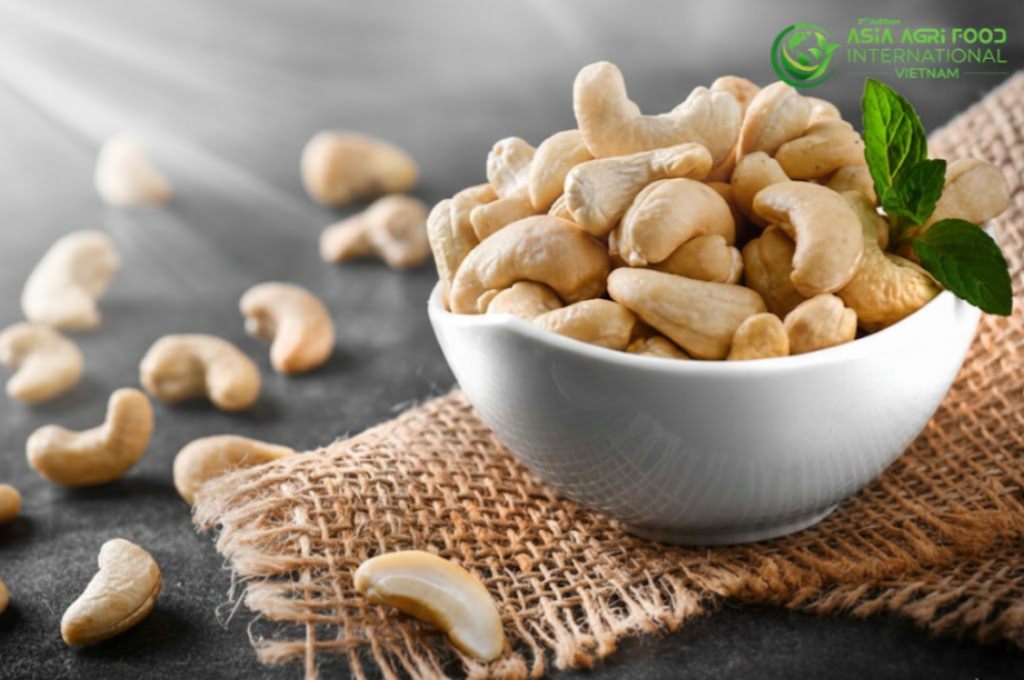
The global cashew industry is undergoing a period of transformation as procurement strategies evolve across key producing and processing regions—Vietnam, Southeast Asia, and Africa. Together, these regions shape the supply chain that feeds growing global demand for cashew kernels, driven by health-conscious consumers and expanding food industries.
Vietnam remains the world’s largest cashew processor and exporter, despite producing only a small share of raw cashew nuts (RCN) domestically. The country relies heavily on imports from African nations such as Côte d’Ivoire, Nigeria, Ghana, and Tanzania. Rising input costs, fluctuating global demand, and tighter financing conditions have pushed Vietnamese processors to adopt more cautious procurement strategies. Many are focusing on quality sourcing, improved inventory management, and stronger supplier relationships to mitigate risks. 🏭📦
Countries like Cambodia, Indonesia, and the Philippines play a dual role as both producers and exporters of raw cashew nuts. Cambodia, in particular, has emerged as a significant supplier to Vietnam due to its proximity and improving crop volumes. However, limited local processing capacity means much of the region’s raw output is exported rather than value-added domestically. Governments are increasingly promoting investment in processing infrastructure to capture more value within their borders. 🌱📈
Africa accounts for over half of the world’s raw cashew production, making it a critical player in global procurement. Côte d’Ivoire leads the continent, followed by Nigeria, Benin, Guinea-Bissau, and Tanzania. In recent years, African nations have intensified efforts to boost local processing through export restrictions on raw nuts, policy incentives, and foreign investment. While these measures aim to strengthen domestic industries, they have also reshaped global procurement flows and increased competition for raw materials. 🏗️🥜
Global cashew procurement is increasingly influenced by price volatility, climate variability, logistics costs, and shifting trade policies. Buyers are diversifying sourcing origins, emphasizing sustainability, and seeking long-term contracts to ensure supply stability. As demand continues to grow across North America, Europe, and Asia, collaboration between producing and processing regions will be essential to maintaining a resilient and efficient cashew supply chain.