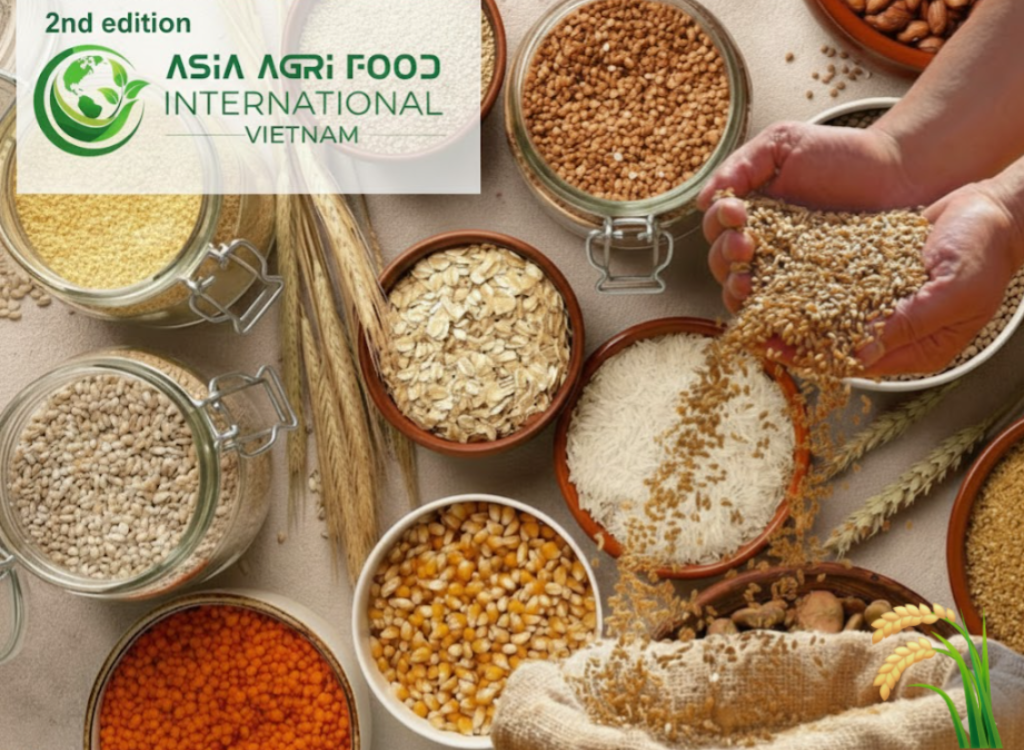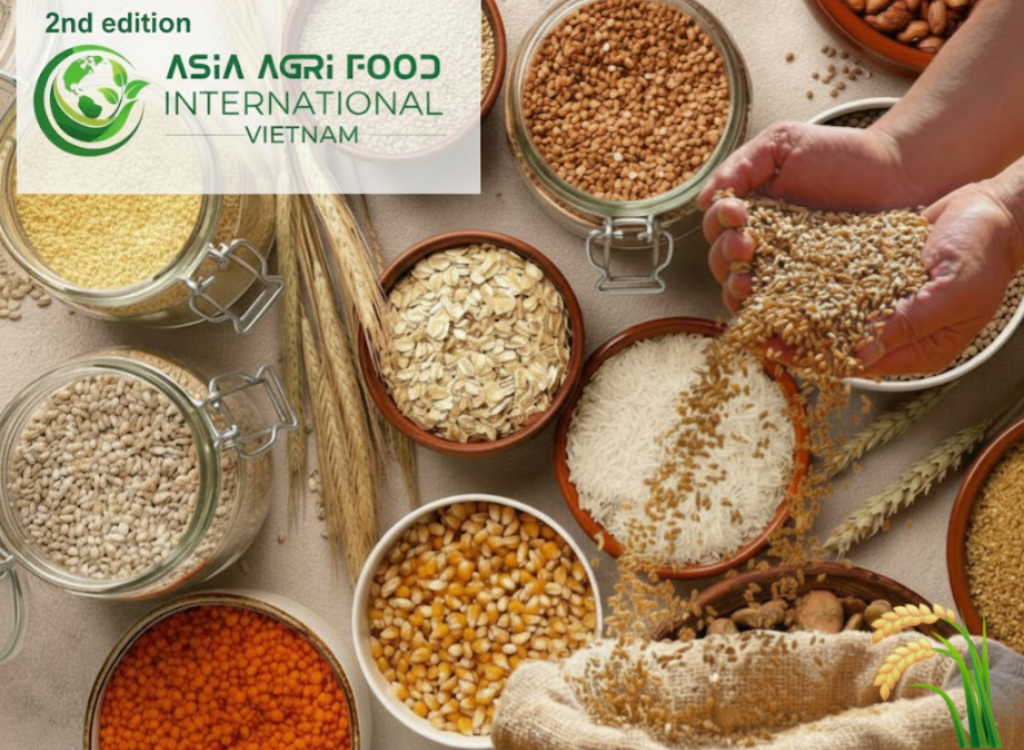
Food grain imports surged 42% year-on-year during the first half of FY26, driven by rising domestic demand, lower global prices, and supply constraints in key producing regions.Trade data show increased inbound shipments of staples such as wheat, pulses, and select coarse grains, as buyers moved to bridge the gap between consumption needs and local production. Market participants said easing international prices and favorable import margins encouraged higher purchases.
The spike in imports also reflects efforts to stabilize domestic food prices amid weather-related disruptions and uneven crop output in some regions. Government and private importers stepped up procurement to ensure adequate availability and contain inflationary pressures.
Analysts note that global supply conditions, currency movements, and policy decisions in the coming months will play a key role in determining whether the import momentum continues into the second half of FY26.With food security remaining a priority, imports are expected to remain elevated if domestic supply tightness persists and global markets stay favorable.