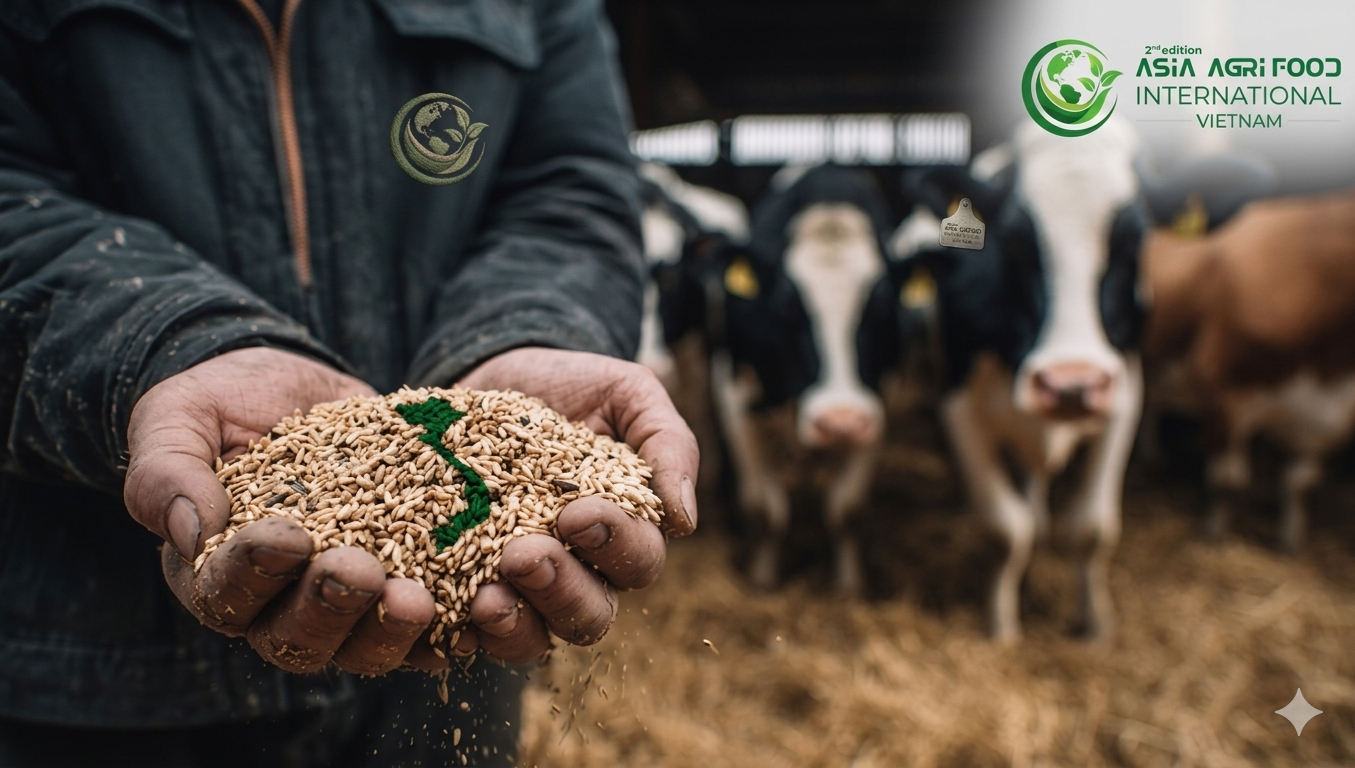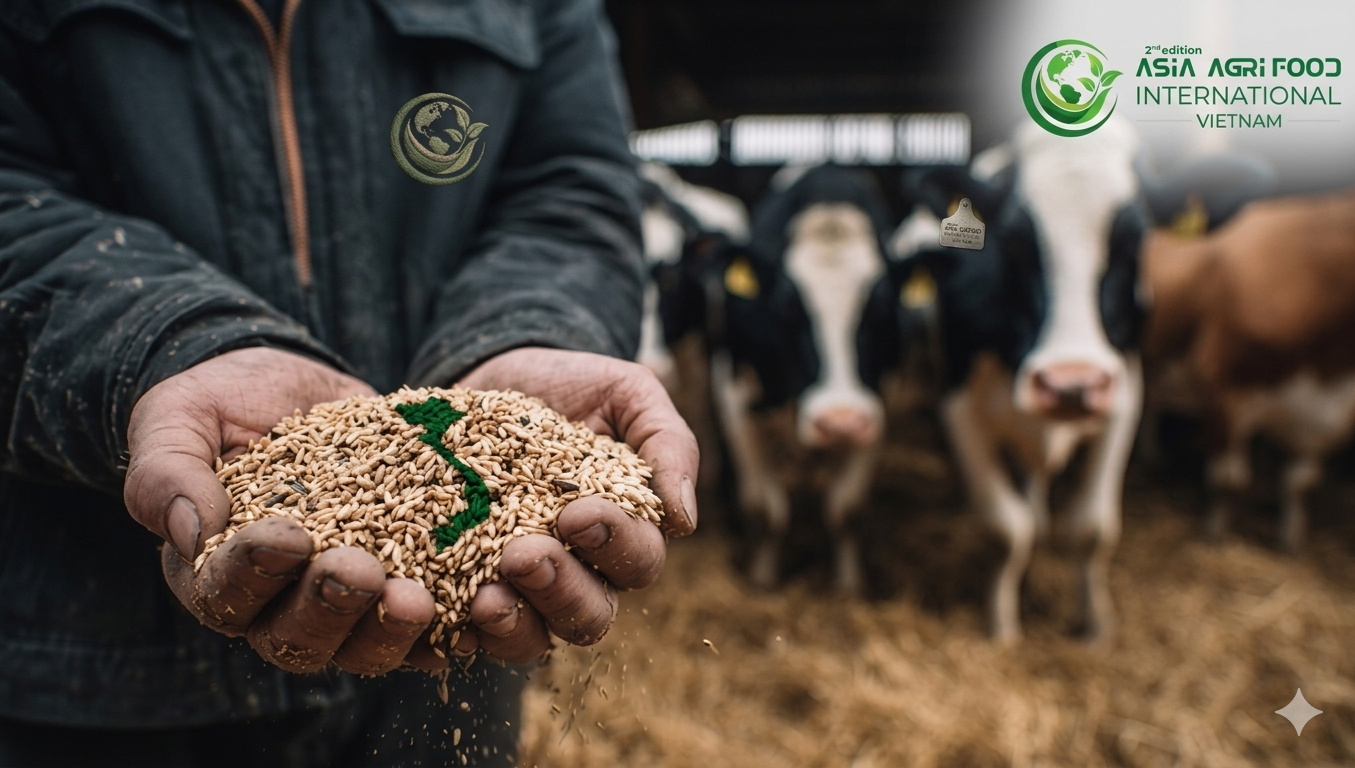
India’s decision to allow the import of dried distillers’ grains (DDGs) as part of its trade agreement with the United States has triggered a wave of concern among domestic farmer groups and feed producers. The move is being seen as a step toward strengthening bilateral trade ties, but it has also raised questions about its impact on local agriculture and rural livelihoods. DDGs, a byproduct of ethanol production, are widely used as a high-protein animal feed, particularly in the dairy and poultry sectors.
With the growing demand for affordable feed in India, imports could help stabilize prices and support livestock farmers. Government officials argue that the decision will improve feed availability and contribute to boosting milk and meat production in the country. However, farmer organizations and local feed manufacturers fear that cheaper imported DDGs could undercut domestic producers. Many argue that the influx of foreign feed products may depress prices for locally produced alternatives such as oilseed cakes and maize-based feed, directly affecting farmers’ incomes.
There are also concerns regarding quality standards, biosafety, and the long-term dependency on imported feed ingredients. Critics have urged the government to implement strict quality checks and safeguard measures to protect both farmers and consumers.
Trade experts, on the other hand, see the move as part of a broader effort to deepen economic cooperation between India and the United States. They suggest that increased market access could open doors for Indian agricultural exports in return, balancing the trade equation over time. As the policy unfolds, its real impact will depend on how effectively the government manages pricing, quality regulations, and support for domestic producers. For now, the decision has ignited a crucial debate between promoting global trade and protecting local agriculture.