India’s relationship with agriculture is deeply rooted in its history, culture, and economy, and few crops symbolize this bond more strongly than wheat — the nation’s ‘golden grain’. For millions of farmers across the northern plains, wheat is not just a crop but a lifeline that shapes livelihoods, traditions, and rural identity. Every year, as winter sets in, wheat fields begin their journey—tiny green shoots carpeting vast stretches of Punjab, Haryana, Uttar Pradesh, Rajasthan, and Madhya Pradesh. Farmers prepare their land with precision, relying on experience passed down through generations. From timely irrigation to careful pest management, wheat cultivation demands discipline and resilience. The importance of wheat in India goes far beyond the farms. It forms a crucial part of the public distribution system, ensuring food security for millions. The government’s procurement policies often play a decisive role in shaping farm incomes, making support price announcements a moment of anticipation for farmers. However, the tryst with the golden grain is not without challenges. Erratic weather patterns, rising input costs, and changing groundwater levels have added new layers of uncertainty. Heatwaves in recent years have raised concerns about declining yields, pushing scientists and policymakers to explore heat-resistant varieties and sustainable farming practices. Despite these challenges, the spirit of India’s farmers remains unwavering. Many have begun adopting modern technologies—soil health cards, precision farming tools, drip irrigation, and mechanized harvesting—to improve productivity and reduce losses. Cooperatives and farmer-producer organizations are also helping small farmers access better markets and fairer prices. As India continues to walk the path of agricultural modernization, the golden grain remains a symbol of both tradition and transformation. And at the heart of it all stand the farmers—resilient, determined, and deeply connected to the land that sustains the nation.
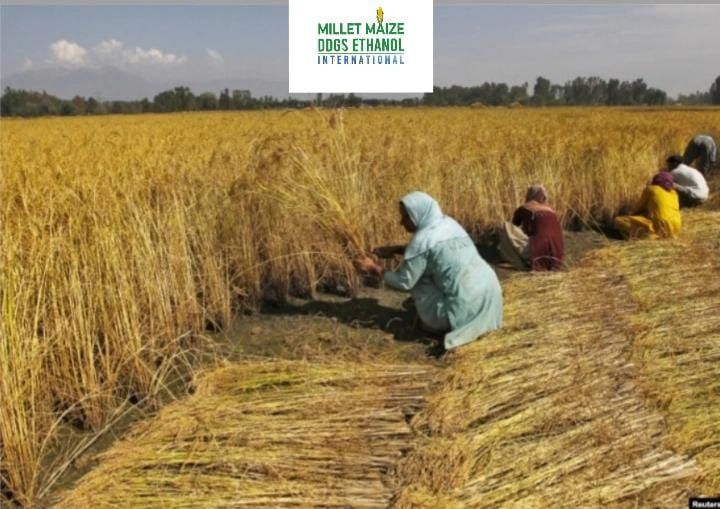
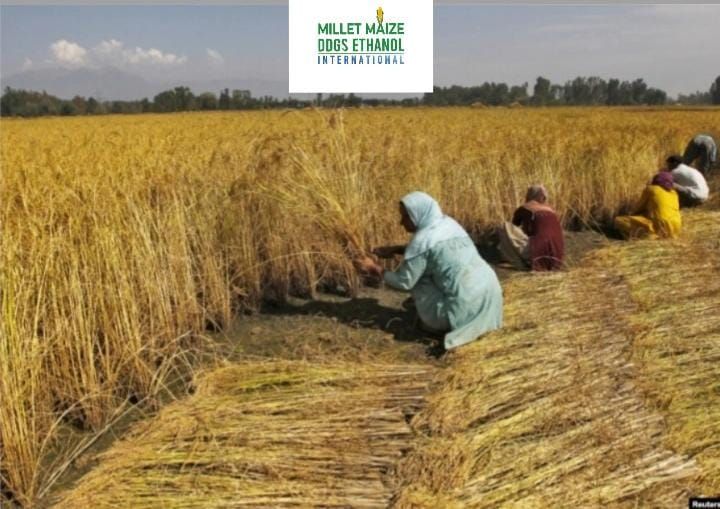
India’s relationship with agriculture is deeply rooted in its history, culture, and economy, and few crops symbolize this bond more strongly than wheat — the nation’s ‘golden grain’. For millions of farmers across the northern plains, wheat is not just a crop but a lifeline that shapes livelihoods, traditions, and rural identity. Every year, as winter sets in, wheat fields begin their journey—tiny green shoots carpeting vast stretches of Punjab, Haryana, Uttar Pradesh, Rajasthan, and Madhya Pradesh. Farmers prepare their land with precision, relying on experience passed down through generations. From timely irrigation to careful pest management, wheat cultivation demands discipline and resilience.
The importance of wheat in India goes far beyond the farms. It forms a crucial part of the public distribution system, ensuring food security for millions. The government’s procurement policies often play a decisive role in shaping farm incomes, making support price announcements a moment of anticipation for farmers. However, the tryst with the golden grain is not without challenges. Erratic weather patterns, rising input costs, and changing groundwater levels have added new layers of uncertainty. Heatwaves in recent years have raised concerns about declining yields, pushing scientists and policymakers to explore heat-resistant varieties and sustainable farming practices. Despite these challenges, the spirit of India’s farmers remains unwavering.
Many have begun adopting modern technologies—soil health cards, precision farming tools, drip irrigation, and mechanized harvesting—to improve productivity and reduce losses. Cooperatives and farmer-producer organizations are also helping small farmers access better markets and fairer prices. As India continues to walk the path of agricultural modernization, the golden grain remains a symbol of both tradition and transformation. And at the heart of it all stand the farmers—resilient, determined, and deeply connected to the land that sustains the nation.