MILLET MAIZE ETHANOL #CornMarket

challenges from fluctuating global prices and changing import policies in major markets. Nevertheless, the current price-parity boost offers a significant opportunity for India to strengthen its maize export sector 🌽💹🚢.
Read More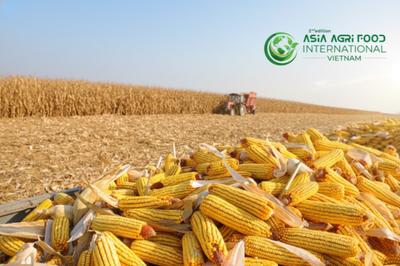
Economists caution that without a notable increase in domestic or export demand, the corn market could see continued price pressure throughout 2026. Some forecasts even expect acreage to decline next season as producers respond to low price signals.
Read More
The uptick in cereal prices comes at a time when global food markets continue to face volatility driven by climate risks, geopolitical tensions, and fluctuating energy costs.
Read More
strength in U.S. corn export demand, supporting market prices and offering optimism for grain traders amid mixed results for other commodities.
Read More
A key part of accessing high-value low-carbon markets is deploying carbon capture and sequestration (CCS) infrastructure.
Read More
China’s maize market is set to remain resilient through 2028, underpinned by strong domestic demand and strategic agricultural planning. Market participants focusing on innovation, efficiency, and sustainability are likely to gain a competitive edge in the evolving landscape.
Read More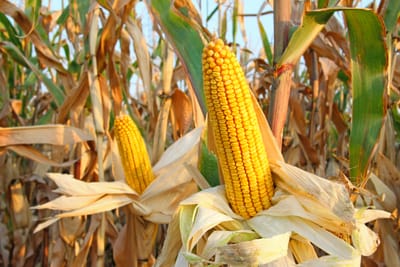
Despite these concerns, strong demand from the feed industry is expected to keep the Southeast Asia corn market on a steady growth trajectory in the coming years.
Read More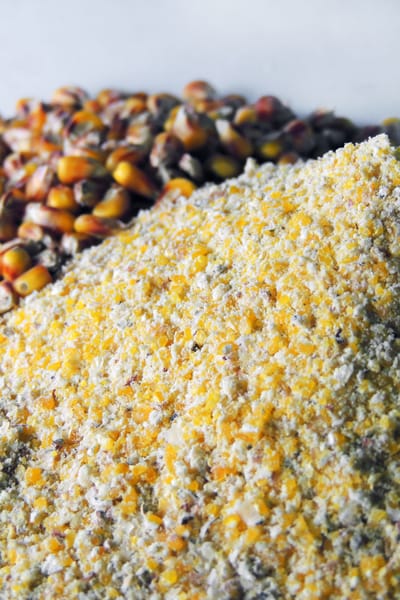
Africa is expected to remain one of the world's fastest-growing DDGS markets, fueled by expanding poultry production, increasing feed demand, and ongoing investments in livestock development.
Read More