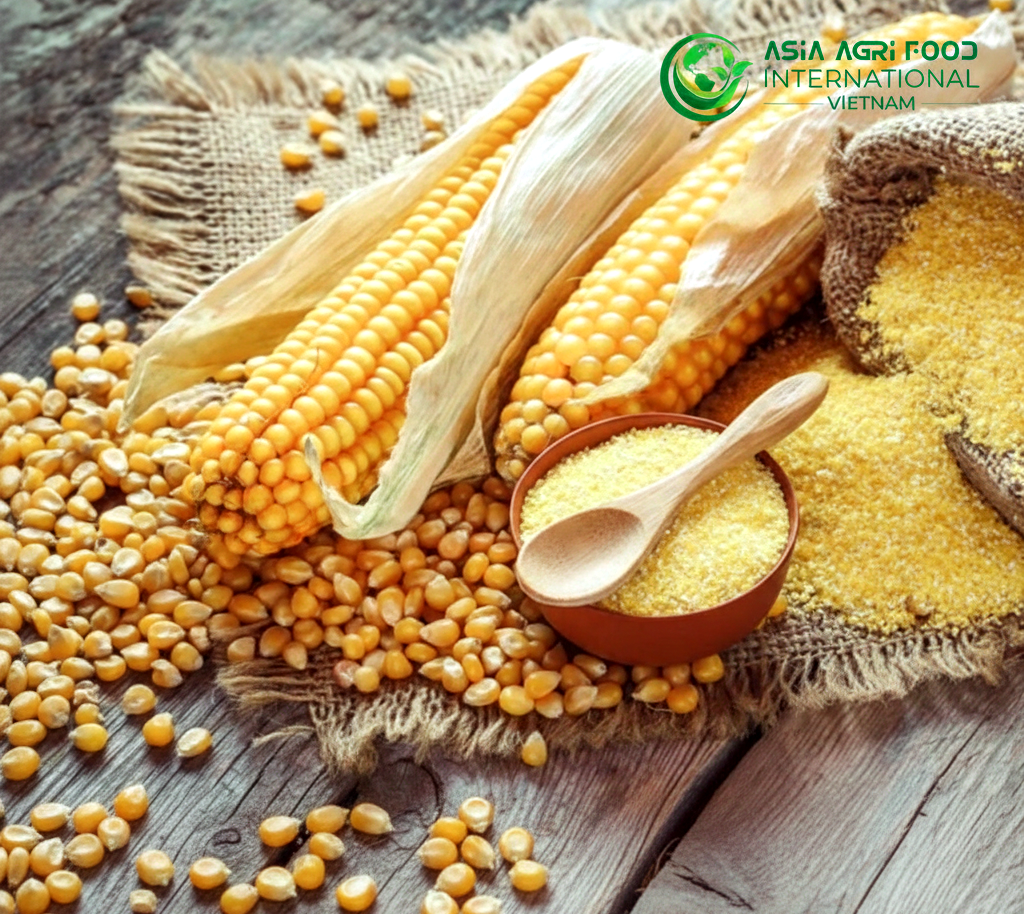
Mashonaland West Province has surpassed its maize production target, marking a significant milestone in strengthening national food security and boosting agricultural productivity.Provincial agricultural officials confirmed that favorable rainfall patterns, improved farming practices, and increased access to inputs under government-supported programmes contributed to the strong harvest. The achievement positions Mashonaland West as one of the leading maize-producing regions in the country this season.
Beyond maize, authorities are now intensifying efforts to promote climate-resilient crops as part of a broader strategy to cushion farmers against climate change. Small grains such as sorghum, millet, and rapoko are being encouraged due to their drought tolerance and adaptability to erratic rainfall.
Agricultural extension officers are working closely with farmers to provide training on climate-smart farming techniques, including conservation agriculture and efficient water management. Officials say diversifying crop production will help ensure stable yields even during seasons affected by droughts or floods.
The provincial leadership emphasized that embracing climate-resilient crops is critical for sustainable agriculture and long-term food security. Farmers have been urged to adopt innovative practices that not only increase productivity but also protect the environment. With maize targets exceeded and a renewed focus on resilient farming, Mashonaland West is setting a strong example for agricultural transformation in the face of climate challenges.