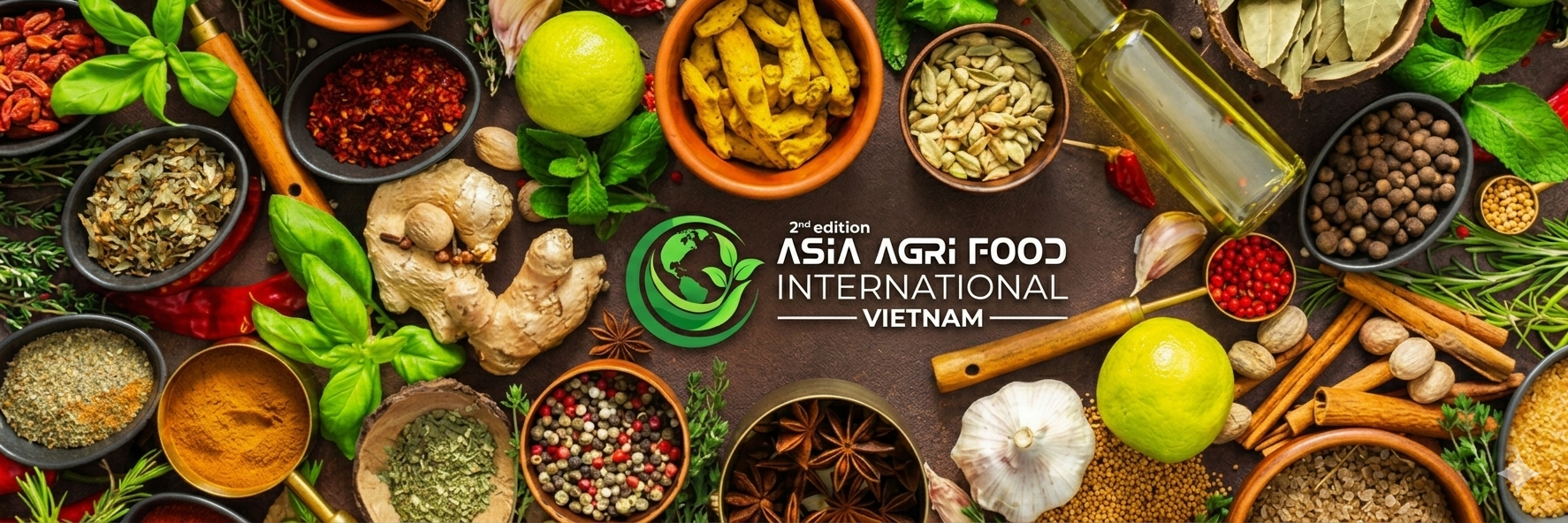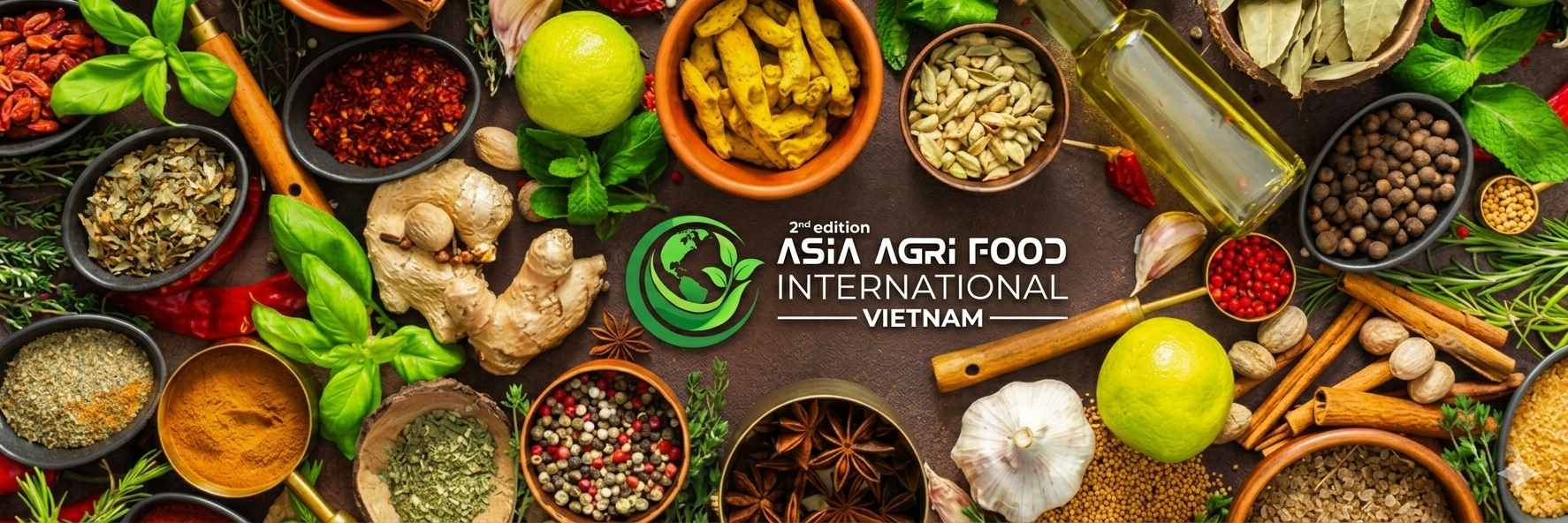
The spices market in Southeast Asia is witnessing steady growth, driven by evolving consumer preferences and rapid urbanization across the region. With increasing disposable incomes and a growing middle-class population, demand for high-quality spices and herbs has significantly risen in recent years. According to recent market insights, the Southeast Asia spices market is projected to reach approximately $3.5 billion by 2031, expanding at a compound annual growth rate (CAGR) of around 5.1%. This growth reflects both strong domestic consumption and rising exports as global demand for authentic Asian flavors continues to climb. One of the key factors fueling this expansion is the increasing inclination toward natural and organic food ingredients. Consumers are becoming more health-conscious, seeking clean-label products free from artificial additives.
As a result, manufacturers are focusing on offering sustainably sourced and minimally processed spices. Additionally, the rapid growth of the food processing and packaged food industries has further boosted the demand for spices. From ready-to-eat meals to restaurant chains and street food culture, spices remain an essential component of Southeast Asian cuisine, enhancing both flavor and nutritional value.
Technological advancements in packaging and preservation are also playing a crucial role in extending shelf life and maintaining product quality, thereby supporting market growth. Moreover, e-commerce platforms have made it easier for consumers to access a wide variety of spices, contributing to increased market penetration. Looking ahead, the Southeast Asia spices market is expected to maintain its upward trajectory, supported by innovation, expanding distribution channels, and rising global appreciation for the region’s rich culinary heritage.