ARTICLE 4 #SpicesMarket
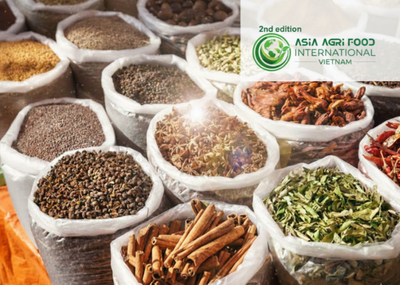
As global tastes evolve, the industry is well-positioned to capitalize on new opportunities across both developed and emerging markets.
Read More
The rise of e-commerce platforms has also made a wide variety of spices more accessible to both domestic and international consumers. Moreover, Southeast Asian cuisine is gaining popularity worldwide, contributing to rising exports and global demand for authentic flavors. As a result, the region is not only strengthening its position as a major consumer market but also as a key supplier in the global spices trade.
Read More
Key countries such as India, China, Vietnam, Indonesia, and Thailand are driving this growth. These nations not only cater to high domestic demand but also play a crucial role in global spice trade. Vietnam leads in pepper exports, while India dominates in a wide range of spices including turmeric, cumin, and chili, reinforcing the region’s importance in international markets.
Read More
Technological advancements in packaging and preservation are also playing a crucial role in extending shelf life and maintaining product quality, thereby supporting market growth. Moreover, e-commerce platforms have made it easier for consumers to access a wide variety of spices, contributing to increased market penetration.
Read More
despite this strong outlook, the market still faces challenges such as supply chain disruptions, climate-related risks, and price fluctuations, which may limit faster growth compared to global benchmarks.
Read More