ARTICLE 4 #AgricultureNews
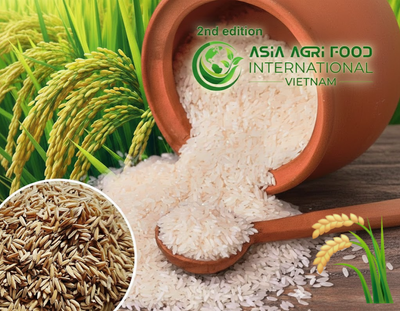
rice-exporting countries such as Vietnam, Thailand, and India are closely monitoring the situation. The Philippines has historically been a key buyer, and any reduction in demand may redirect export flows to alternative markets in Africa or the Middle East. Exporters may need to adjust pricing strategies, while shipping routes and trade contracts could see temporary disruptions.
Read More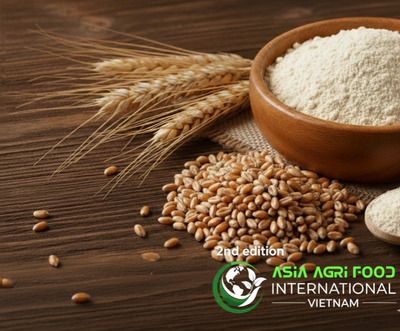
A related Index Box report focused on the broader Asia-Pacific region forecasts the wheat bran market to reach 58 million tons in volume and $14.6 billion in value by 2035 (slightly different regional scope).
Read More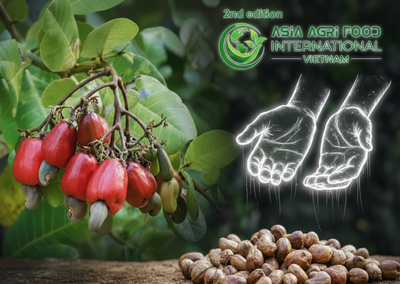
Vietnam has also set ambitious targets to boost overall annual export turnover in the wider cashew industry, with total export revenue reaching historic highs in 2025 and new milestones being reported beyond mid‑year figures.
Read More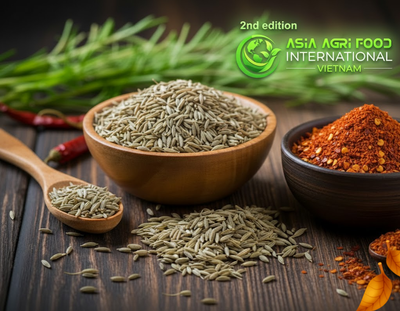
the development underscores the need for India to focus on quality differentiation, branding, and value-added spice products. Market analysts suggest that India still holds significant advantages, including established trade relationships, diverse spice varieties, and a strong reputation for quality.
Read More
Analysts note that while rice exports can bring economic benefits and help stabilize global rice prices, ensuring high quality and efficient distribution will be key to maintaining Indonesia’s reputation in international markets.
Read MoreAgriculture experts advise farmers to focus on proper harvesting, grading, and storage practices so they can maintain quality and get the best prices in the market. If the current demand trend continues, pepper growers could see a profitable season ahead. 🌾🌶️
Read More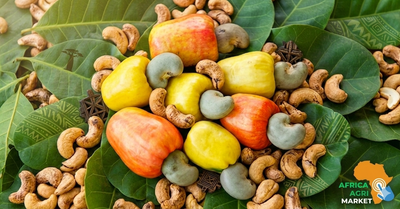
Africa’s dominance in cashew production makes it a key player in global food supply chains. Any changes in production levels, climate conditions, or trade policies across the continent can significantly influence global cashew prices and availability.
Read More
Despite global market fluctuations and occasional supply disruptions, the region’s demand outlook remains stable. Governments and private stakeholders are also focusing on food security and diversification, which supports sustained growth in wheat imports and flour production.
Read More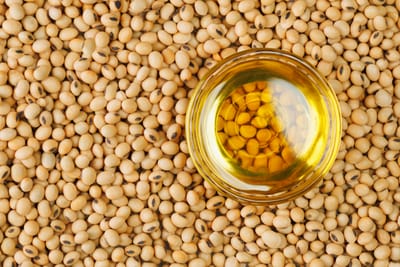
Countries in the region are focusing on strengthening soybean imports, processing capacity, and supply chain networks to meet growing domestic demand.🚜 I
Read More