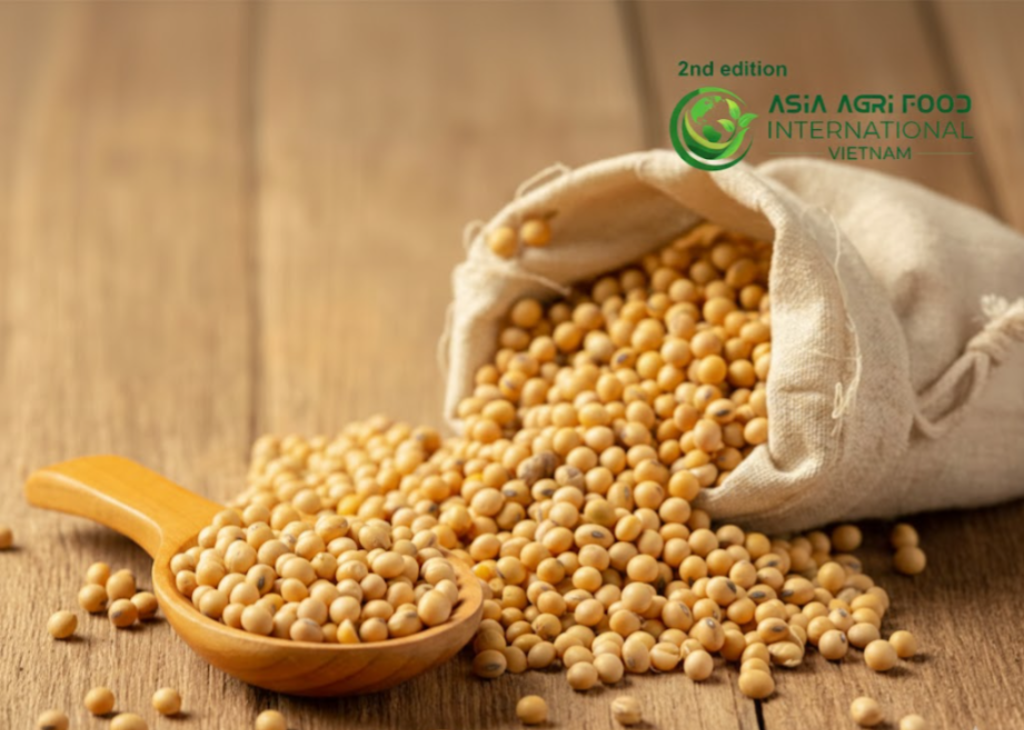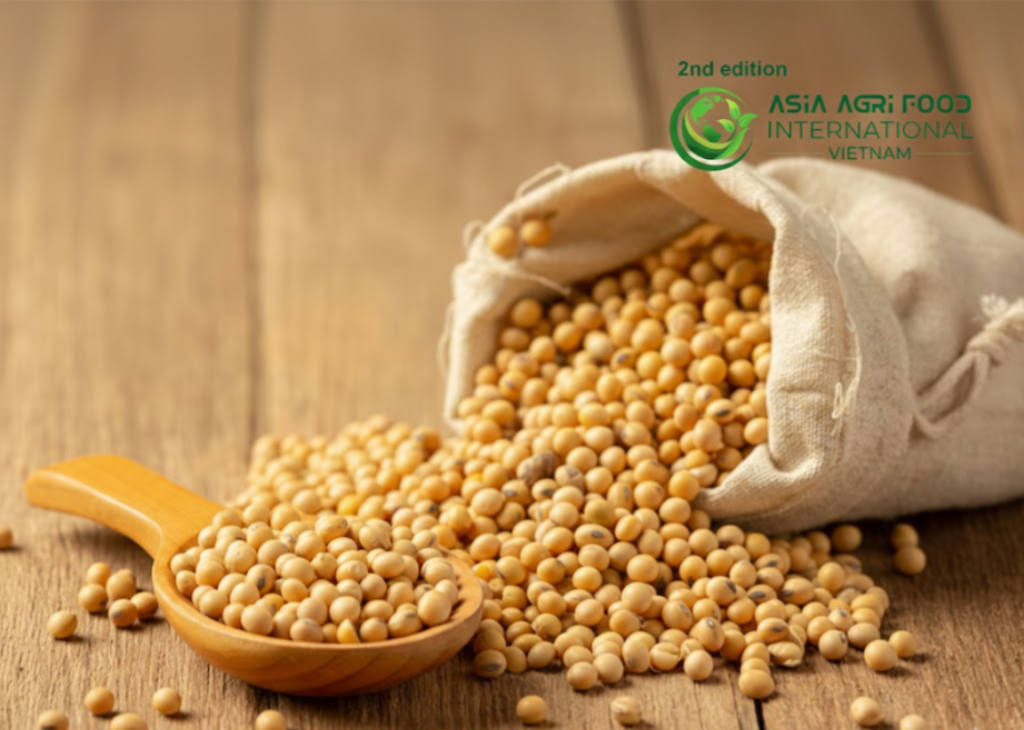
Bangkok, Thailand — The Thailand soybean meal market is poised for continued expansion from 2025 through 2031, driven by strong demand from the animal feed sector and broader livestock industry growth. Soybean meal, a key high-protein ingredient used in poultry, swine, and aquaculture feeds, remains critical amid Thailand’s efforts to enhance domestic animal protein production.
Thailand’s reliance on soybean meal is closely linked to its growing livestock and poultry sectors, which are expected to sustain feeding requirements throughout the forecast period. Domestic consumption demand was projected to rise moderately in 2025, reflecting about a 3% increase from the previous year, largely due to recovery in tourism and foodservice sectors stimulating meat and poultry consumption. Market analyses show that imports of soybean meal have experienced fluctuations, with some decrease in import growth trends observed in recent years, while the long-term forecast points to continued growth through 2031 as local demand strengthens.
The soybean meal market in Thailand is closely tied to trends in the broader animal feed industry. Thailand’s compound feed market, valued at several billion USD in 2025, is expected to grow at a steady rate through 2031, reflecting increased domestic livestock production and export demand across the Greater Mekong Sub-region. Supportive conditions include integrated supply chains among major feed producers such as Charoen Pokphand Foods and Cargill Thailand, which ensure consistent availability of soybean meal for feed formulations.
Price trends for soybean meal in Thailand have recently shown some downward pressure due to global supply increases, with raw material costs declining in early 2025. These shifts have eased some production costs for feed mills and livestock producers.
Despite rising domestic demand, Thailand remains heavily dependent on soybean meal imports due to limited local soybean production capacity. Industry stakeholders have discussed strategic shifts to diversify supply sources and improve cost competitiveness, including easing import taxes on U.S. soybean meal to reduce reliance on other suppliers.
Overall, the Thailand soybean meal market is set to remain a vital segment of the country’s agribusiness landscape over the next decade, balancing import dynamics with local feed industry growth and evolving consumer preferences.