MILLET MAIZE ETHANOL #AgriBusiness
China’s maize market is set to remain resilient through 2028, underpinned by strong domestic demand and strategic agricultural planning. Market participants focusing on innovation, efficiency, and sustainability are likely to gain a competitive edge in the evolving landscape.
Read More
the Vietnam compound feed market is projected to witness steady growth through 2031, presenting lucrative opportunities for local and international feed manufacturers.
Read More
By enhancing market access and sharing best practices, USGBC is working to position U.S. corn and sorghum as competitive and dependable supply options amid shifting global trade flows.
Read More
the Asia-Pacific animal nutrition market is set for sustained expansion through 2028, underpinned by rising protein consumption, technological innovation, and a growing emphasis on animal health and productivity 🌱📈.
Read More
As feed producers and livestock farmers seek resilient and eco-friendly solutions, alternative proteins are set to play a critical role in shaping the future of global animal nutrition.
Read More
As Cambodia strengthens its position as a reliable supplier of rapeseed meal, the industry is expected to see continued investment, innovation, and market expansion in the coming years, further solidifying its role in the global feed and agriculture markets.
Read More
North America and Europe continue to lead in regulatory enforcement and adoption of sustainable farming practices.As sustainability, animal welfare, and food safety become central to global agricultural policies, the animal feed additives market is set to play a critical role in shaping the future of livestock farming.
Read More
Maintain a steady upward consumption trend, despite slower volume growth compared with previous years. See increasing structural value contributions, with refined products and higher-priced imports helping lift overall market revenue.
Read More
Increasing emphasis on standardized, high‑quality animal feed and sustainable livestock management practices. Growing automation and digital transformation in feed mill processes to reduce waste and improve consistency.
Read More
maize seed market in the Asia-Pacific region is forecast to grow at a healthy pace through 2030. Continued population growth, increasing livestock feed requirements, and the push for food security are expected to create new opportunities for seed producers and agribusiness stakeholders.
Read More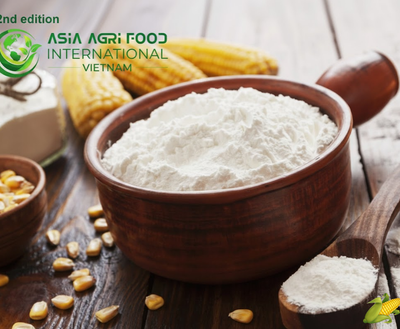
China remains the largest consumer and producer, accounting for roughly 44% of regional consumption and output. India is the leading exporter, supplying more than three-quarters of the region’s maize starch exports. Malaysia and Indonesia are the top importers, contributing to a rebound in import volumes in 2024 after several years of decline.
Read More
The Asia region’s feed preparations market is broadly self‑sufficient, though intra‑regional trade plays an important role in balancing supply and demand.
Read More