MILLET MAIZE ETHANOL #MarketGrowth
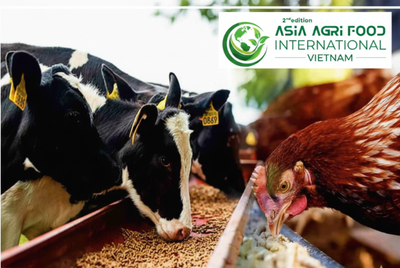
As global demand for animal feed and food products continues to rise, the sector is expected to remain a vital contributor to economic growth and food security.
Read More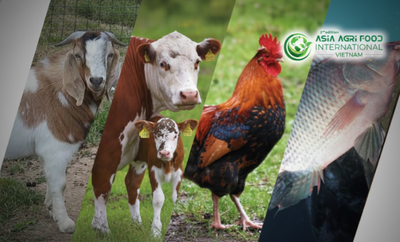
Key players operating in the Vietnam compound feed market include multinational and domestic firms such as Charoen Pokphand Group, Cargill, Royal De Heus, GreenFeed Group, and CJ CheilJedang.
Read More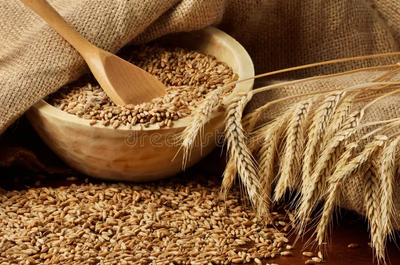
The Asia-Pacific wheat market is on a growth trajectory, supported by technological innovation, rising consumption, and strategic trade expansion.
Read More
With growing awareness of sustainable nutrition and plant-based protein sources, the global pulses market is set for robust growth through 2035, presenting opportunities for farmers, food manufacturers, and investors.
Read More
The Vietnam millet flour market is set to witness steady growth between 2025 and 2031, driven by rising consumer awareness about health, nutrition, and gluten-free alternatives.
Read More
the Asia-Pacific animal nutrition market is set for sustained expansion through 2028, underpinned by rising protein consumption, technological innovation, and a growing emphasis on animal health and productivity 🌱📈.
Read More
North America and Europe continue to lead in regulatory enforcement and adoption of sustainable farming practices.As sustainability, animal welfare, and food safety become central to global agricultural policies, the animal feed additives market is set to play a critical role in shaping the future of livestock farming.
Read More
Increasing emphasis on standardized, high‑quality animal feed and sustainable livestock management practices. Growing automation and digital transformation in feed mill processes to reduce waste and improve consistency.
Read More
Feed additive manufacturers are increasingly developing eco‑friendly solutions that not only improve animal health but also reduce environmental impacts, such as lowering methane emissions from ruminants and minimizing nitrogen waste.
Read More
China remains the largest consumer and producer, accounting for roughly 44% of regional consumption and output. India is the leading exporter, supplying more than three-quarters of the region’s maize starch exports. Malaysia and Indonesia are the top importers, contributing to a rebound in import volumes in 2024 after several years of decline.
Read More
China and India continue to be the dominant contributors, bolstered by strong milling industries and cost‑competitive supply chains, while nations in Southeast Asia are rapidly increasing their share of the market.
Read More
Industry analysts expect the Southeast Asian animal feed market to maintain steady growth through 2030 and beyond. Rising urban populations, stronger middle-class consumption, and continued investment in commercial livestock and aquaculture operations are likely to sustain long-term expansion.
Read More