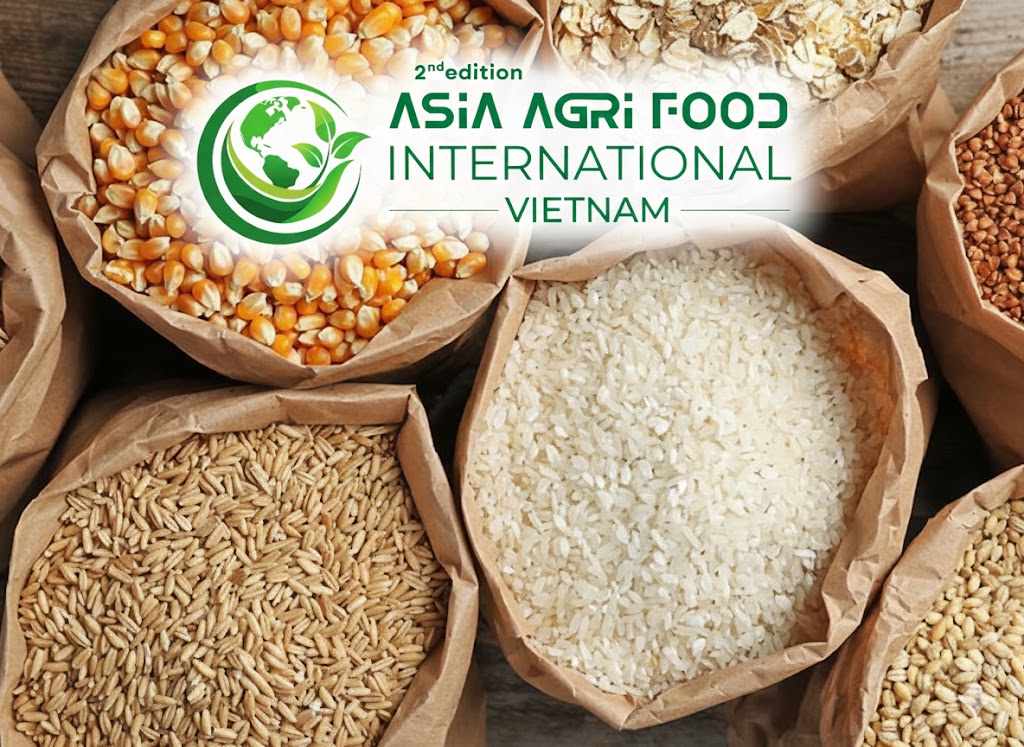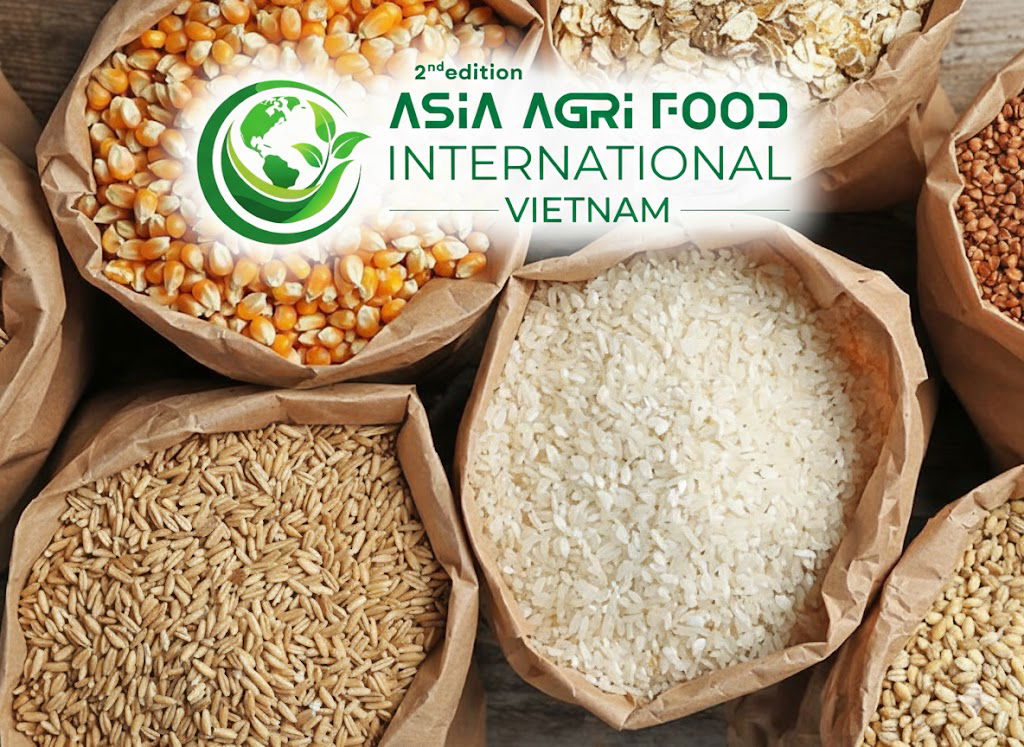
The Food and Agriculture Organization’s (FAO) Cereal Price Index recorded an increase, supported largely by firm maize prices in global markets. The rise reflects steady international demand, supply uncertainties, and weather-related concerns in key producing regions.
Maize prices strengthened amid tighter export availability from major exporters and robust demand from the animal feed and biofuel sectors. Seasonal supply pressures and logistical challenges in some regions also contributed to upward price momentum. A alongside maize, wheat prices showed moderate gains due to reduced export supplies and mixed crop conditions in parts of the Northern Hemisphere.
Rice prices, however, remained relatively stable, helping to limit sharper increases in the overall cereal index. The uptick in cereal prices comes at a time when global food markets continue to face volatility driven by climate risks, geopolitical tensions, and fluctuating energy costs. While higher prices may support farmer incomes in exporting countries, they raise concerns over food affordability for import-dependent nations. FAO noted that market developments in the coming months will depend on upcoming harvests, export policies, and global demand trends, particularly for maize, which remains a critical crop for food, feed, and fuel worldwide.