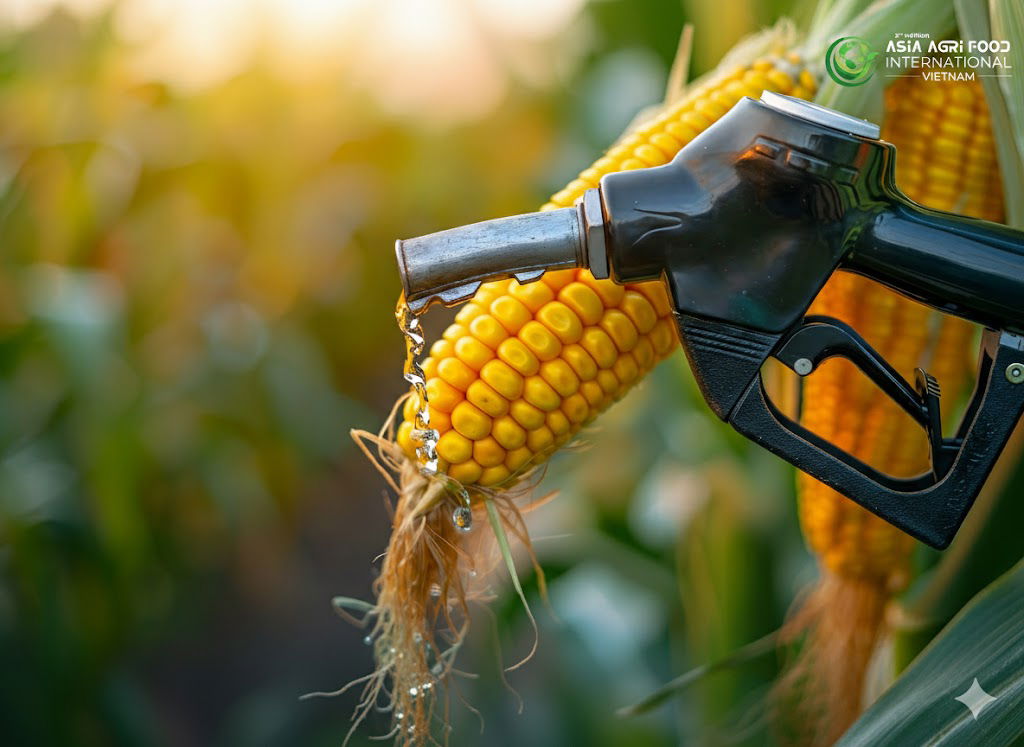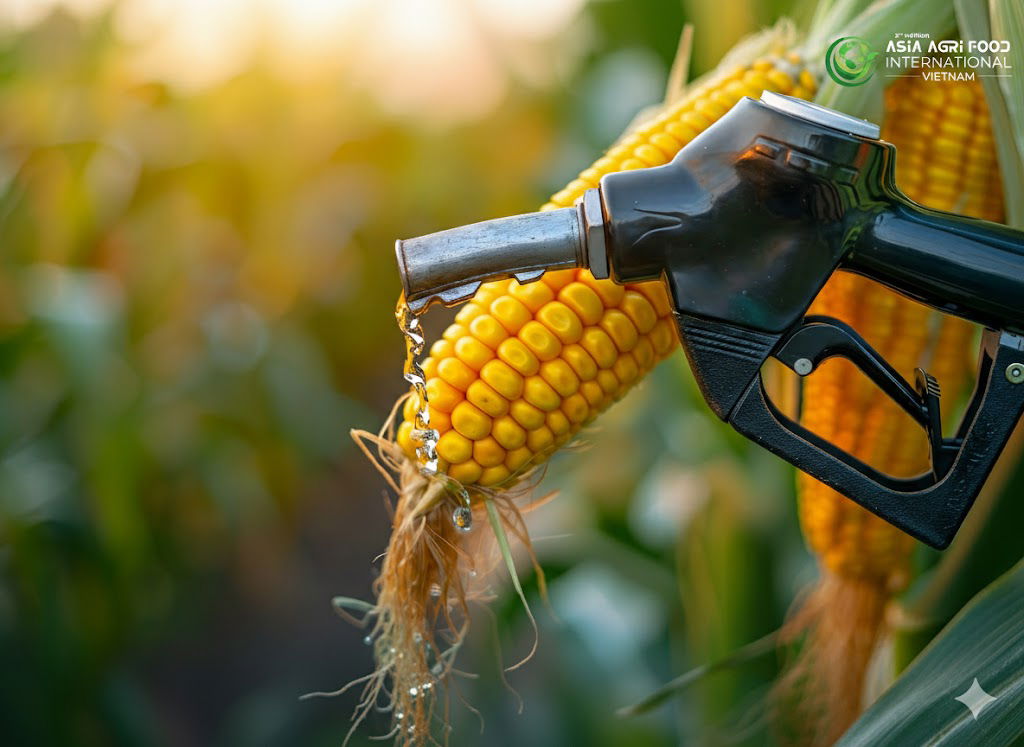
A new economic study warns that Iowa’s corn and ethanol industry could remain on a downward trajectory if it fails to secure broader market access beyond current domestic uses. The study — commissioned by Iowa Corn and the Iowa Renewable Fuels Association and conducted by Decision Innovation Solutions — highlights a growing “demand gap” between corn production and total use. With production rising sharply but market demand lagging, leaders say this imbalance could push corn prices lower and threaten farm profitability. Iowa farmers produced a record 2.77 billion bushels of corn in 2025, according to the U.S. Department of Agriculture, but without new outlets for that supply, the increased output could become a serious economic challenge.
Industry advocates stress that expanding ethanol demand is essential to stabilizing the sector. The immediate solution they support is the nationwide approval of year-round E15 fuel, a gasoline blend containing 15 % ethanol. That change alone could boost corn demand by about 2.1 billion bushels by 2031, the study indicates. But experts also warn that E15 isn’t enough for long-term growth. They argue that the industry must access ultra-low carbon ethanol markets, including sustainable aviation fuel (SAF) and marine biofuels, which could significantly increase demand beyond traditional ethanol uses.
Farm leaders say farmers are already squeezed by rising input costs — such as fertilizer, seed and machinery — and are operating on tight margins. Mark Mueller, president of the Iowa Corn Growers Association, noted that without expanded markets some farms could shrink or close altogether. According to projections in the study, corn prices may hover around $1.52 per bushel under current demand conditions, making profitability difficult for many producers.
A key part of accessing high-value low-carbon markets is deploying carbon capture and sequestration (CCS) infrastructure. Proponents say that CCS pipelines would lower the carbon intensity of ethanol, allowing producers to compete in global clean fuel markets such as the EU, UK, Canada and Colombia — regions with strong low-carbon fuel policies. However, building these pipelines has faced legal and political hurdles, with debates in the Iowa legislature over eminent domain and property rights attached to pipeline routes.
Study authors and industry leaders emphasize that without bold policy moves — including fast tracking year-round E15 sales and building CCS infrastructure — the industry’s growth potential could stall. They believe that capturing new markets could not only sustain Iowa’s role as a corn and ethanol leader but also strengthen U.S. energy independence.