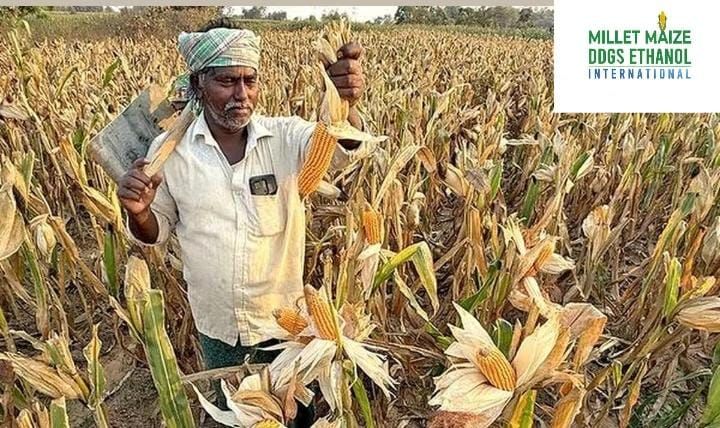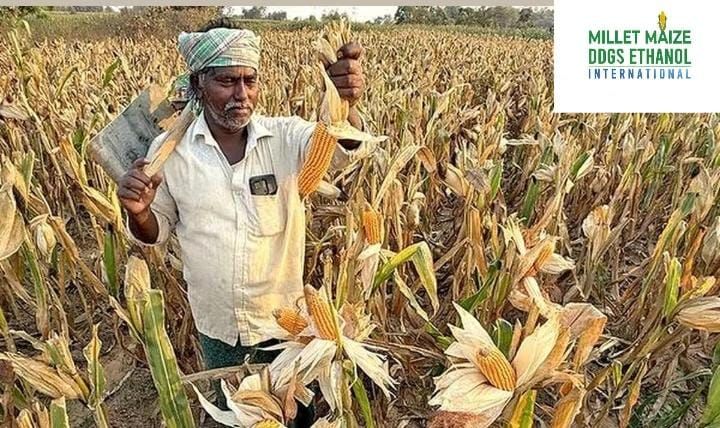
In recent years, India has witnessed a significant shift in cropping patterns as the area under maize cultivation continues to expand steadily. According to agricultural experts, farmers are increasingly opting for maize due to its lower water requirement, higher market demand, and better profitability compared to traditional crops like wheat. Maize farming has shown consistent growth in several states, particularly in Bihar, Karnataka, Madhya Pradesh, and Telangana. Improved hybrid seeds, government support, and rising demand from the poultry and ethanol industries have further boosted maize production across the country.
On the other hand, the area under wheat cultivation has been shrinking. Farmers cite rising input costs, erratic weather conditions, and decreasing profit margins as key reasons for shifting away from wheat. The impact of climate change—especially unseasonal rains and rising temperatures during the wheat-ripening period—has also contributed to lower yields, discouraging many farmers.
Agricultural analysts believe this trend may continue in the coming years unless targeted interventions are introduced to support wheat farmers. Ensuring fair prices, improving irrigation facilities, and promoting climate-resilient wheat varieties are among the measures experts recommend. As India’s cropping landscape undergoes this transformation, policymakers and farmers alike are closely watching how the shift from wheat to maize will affect food security, market prices, and the rural economy.