ARTICLE 2 #Import
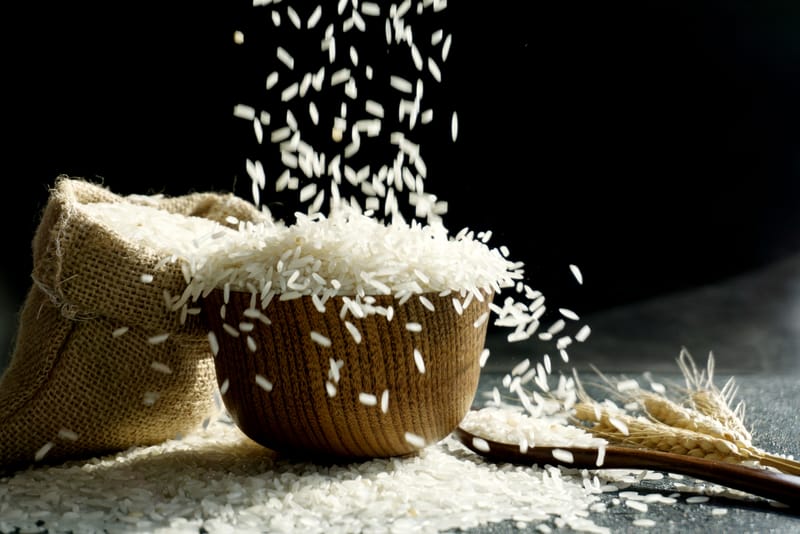
India's rice exports have shown a varied performance across different regions during the first seven months of the year (January-July 2025), with Asia emerging as the primary growth driver, according to a region-wise analysis of export data for 2024 and 2025.Notably, Indian non-basmati rice is a popular and cost-effective food source in many countries across the region, and its consistent supply and competitive pricing make it a preferred choice for food security programmes and general consumption.
Read More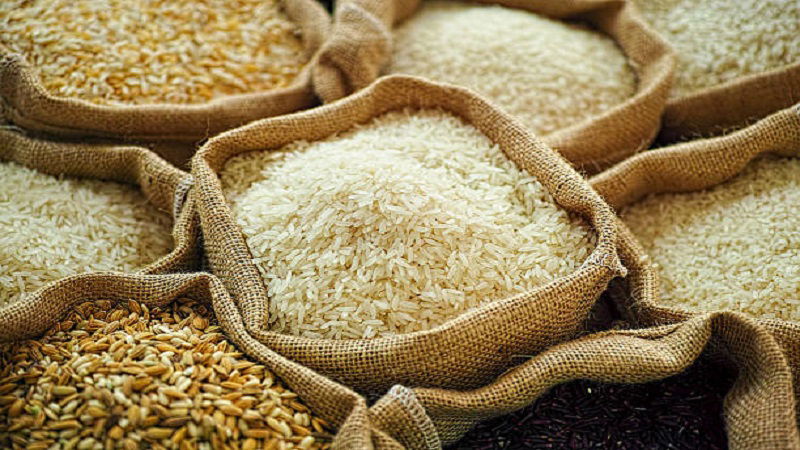
Punjab flood devastation raises questions on overall impact on agricultural sector. Flood came just before Kharif harvest season, affecting Punjab's significant paddy production. Punjab's farmers struggle to deal with losses as 4 lakh hectares under paddy cultivation across Punjab still flooded.
Read More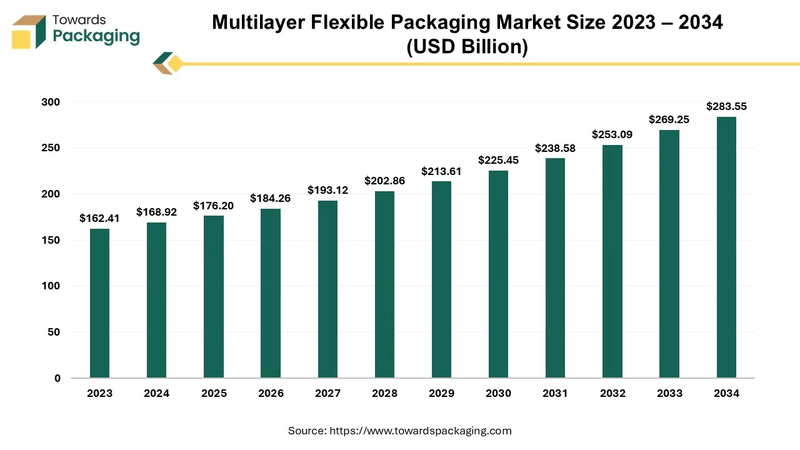
The latest estimate for multi-layered flexible packaging waste in India is approximately 1.87 lakh tonnes (187,933 tonnes) per year, based on data from the India Plastics Pact Annual Reports and related recycling landscape insights. This waste represents a significant share of the flexible packaging segment, where multi-polymer multilayer flexible packaging constitutes about 70% and multi-material multilayer flexible packaging about 9% of flexible packaging by weight.
Read More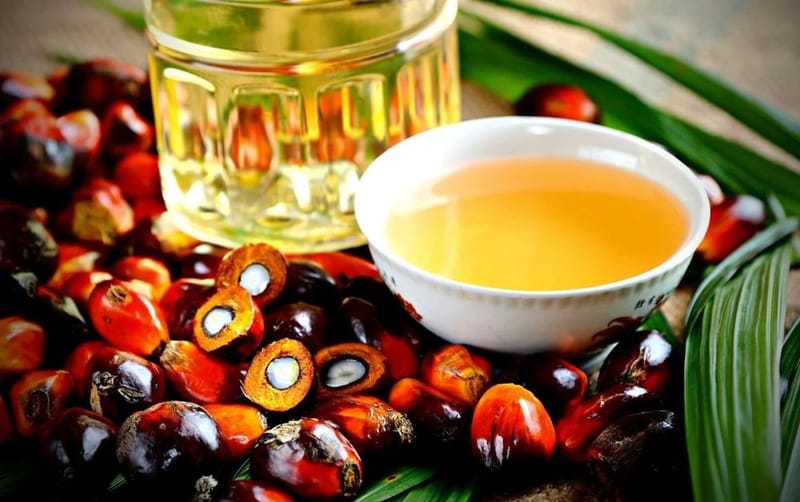
The spike reflects strategic buying driven by the competitive pricing of palm oil compared to other edible oils, such as soyoil and sunflower oil, and seasonal consumption patterns, which encouraged refiners and retailers to increase their purchases in preparation for the demand surge during festivals marked by higher consumption of sweets and fried foods.
Read More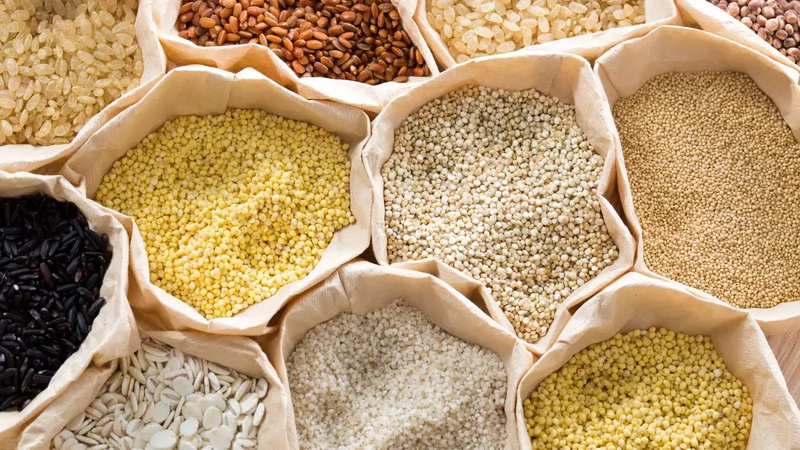
Delhi hosted its first-ever millet-based culinary contest under the PM Poshan mid-day meal initiative. Focusing on porridges and millet dishes, the event aims to make healthy eating appealing to children. Over 16.6 lakh students across nearly 2,800 schools benefit from this scheme, which now includes millets in its menu (for the 2024–25 academic year). The Akshaya Patra Foundation secured the top spot in the competition.
Read More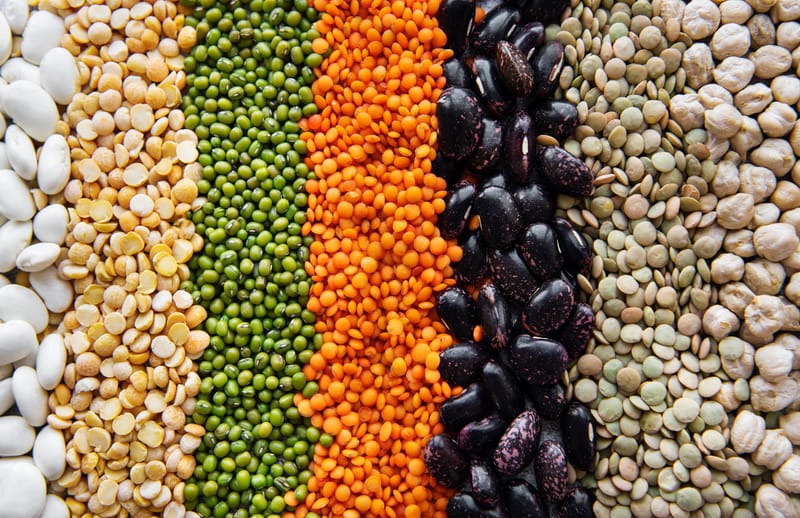
Confirms India produced 180.15 lakh tonnes of millets in 2024‑25, which is 4.43 lakh tonnes more than 2023‑24. Notes Rajasthan is the top producing state.India produced more than 180 lakh tonnes of millets in 2024‑25, Rajasthan top producer of grain.”
Read More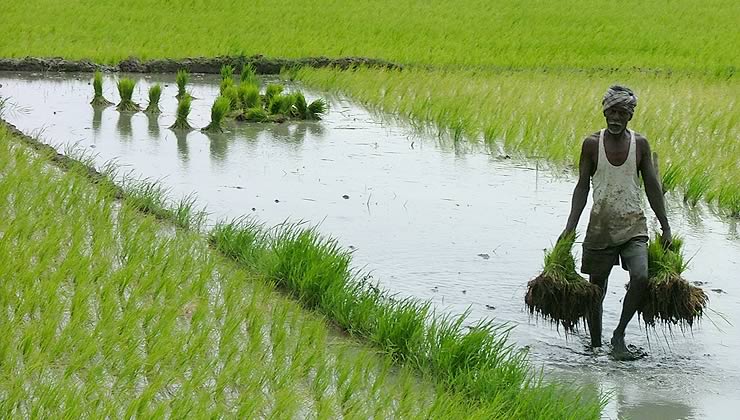
Indian Agriculture Minister Tummala Nageswara Rao said the collaboration focuses not just on trade, but building trust, sharing scientific knowledge, and promoting sustainable farming.
Read More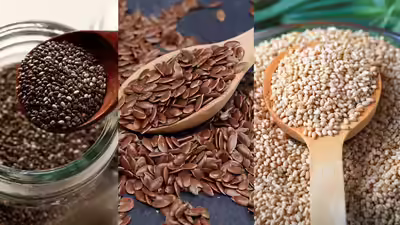
(especially chia & flax) before consumption helps soften their outer coating, activates enzymes, increases bioavailability (nutrient absorption), reduces potential digestive discomfort.
Read More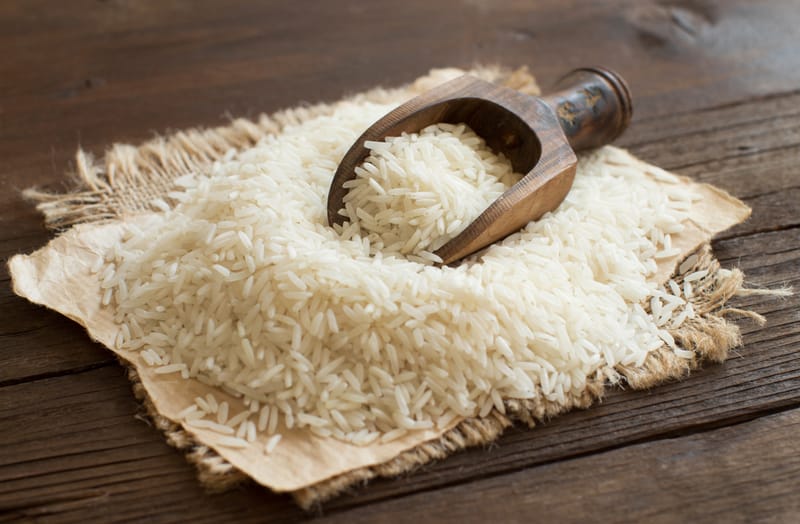
Both countries, the world’s top producers of basmati, seek exclusive rights to use the label, claiming geographic and cultural ties to its origin. India, having waited seven years for EU approval of its geographic indication (GI) application, is pressuring the EU to recognize its claim, while Pakistan’s rival application includes regions in Pakistan‑administered Kashmir—territory claimed by India—making the issue highly sensitive.
Read More
New Delhi, September 15: India’s vegetable oil imports have climbed by 7% to 16.77 lakh tonnes in August 2025. This number is higher than the 5.63 lakh tonnes a year earlier, despite a sharp fall in the refined palmolein shipments as a result of recent import duty changes, according to the Solvent Extractors Association of India (SEA).
Read More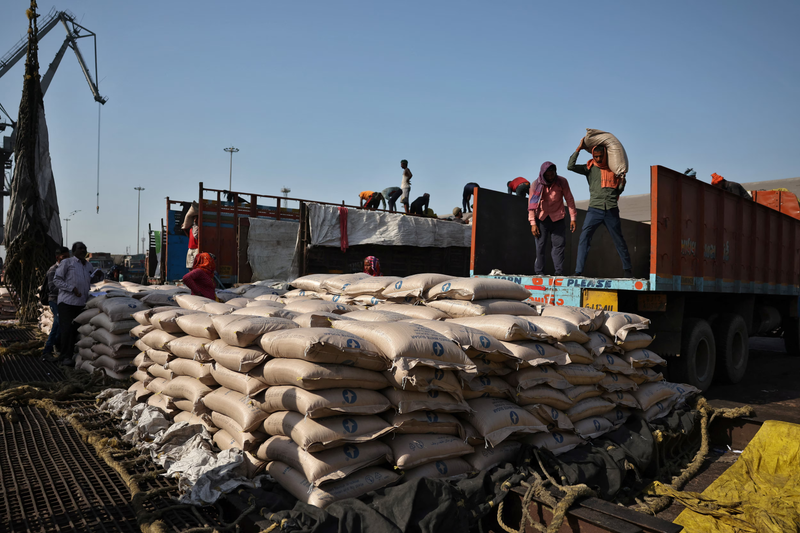
India, the world’s second biggest sugar producer, expects surplus sugar stocks in the 2025‑26 season (starting October 1) after meeting domestic consumption and ethanol production needs, which will allow it to export sugar. Ashwini Srivastava, joint secretary at the Department of Food and Public Distribution, told a global conference that after catering to internal demand, there will be enough sugar for exports.
Read More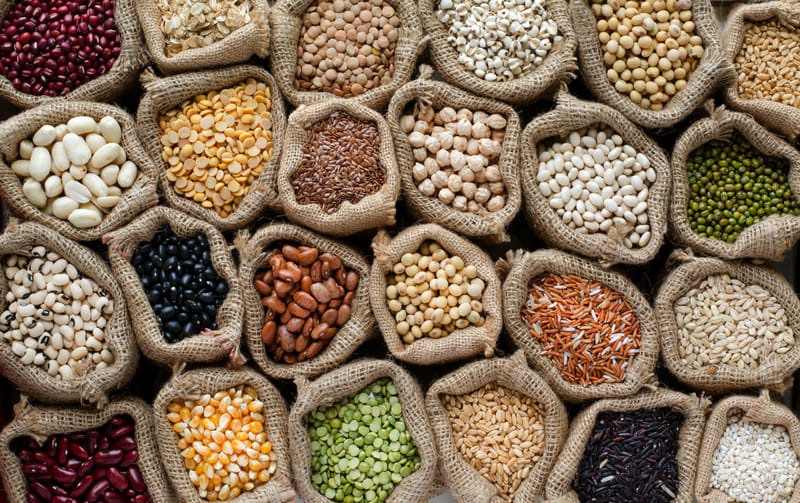
Since 2004‑05, pulse production in Andhra Pradesh (AP) has been declining: the state now records an average annual growth rate of −1.94% in pulse output.
Read More