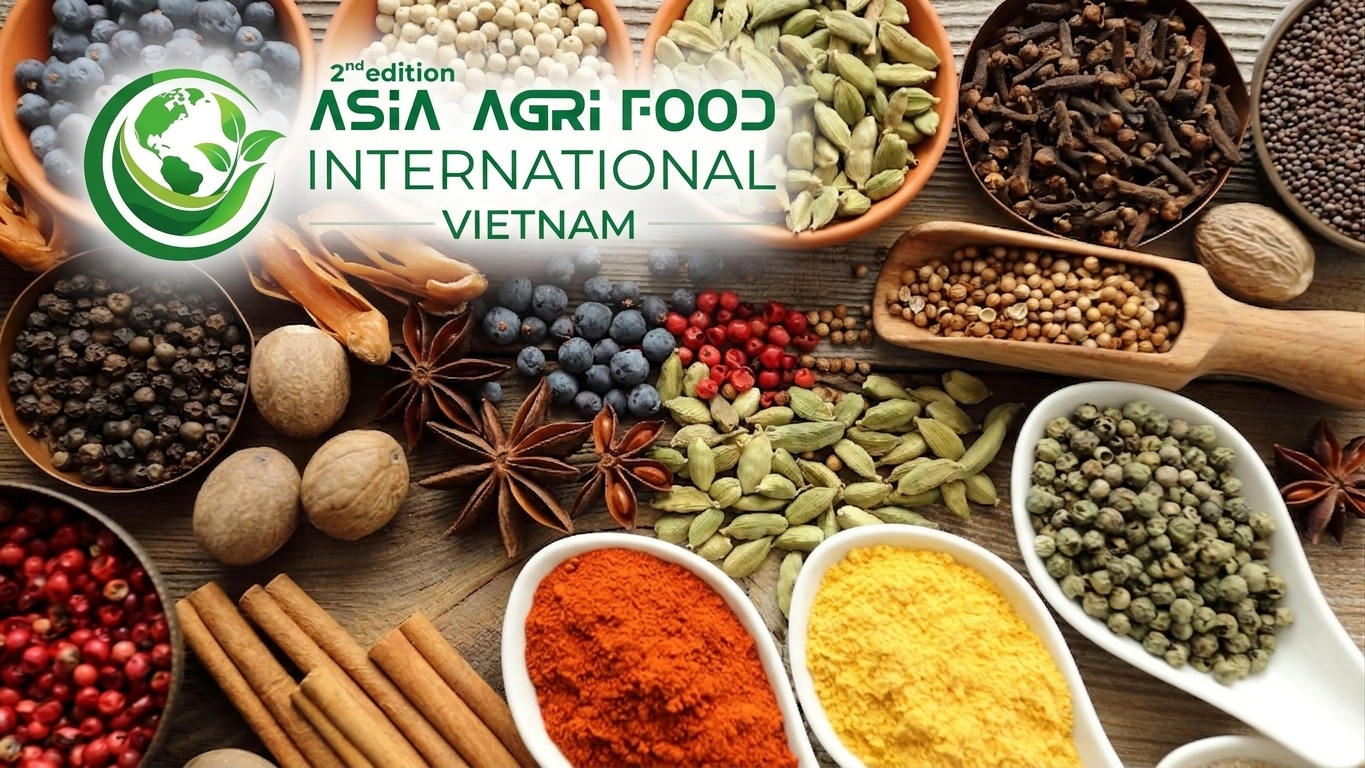
The spices market across Southeast Asia is witnessing steady expansion, driven by rising consumer demand, a booming food processing sector, and increasing global interest in regional cuisines. The core spices market in the region is currently valued at approximately $2.3–$2.8 billion and is projected to reach around $3.5 billion by 2030–31, reflecting consistent growth momentum. The broader ASEAN herbs and spices industry, which includes applications in food processing, pharmaceuticals, and personal care, is expected to grow significantly from $83 billion to nearly $144 billion over the next decade.
This represents a healthy compound annual growth rate (CAGR) of 5%–7%, highlighting the sector’s long-term potential. One of the key drivers behind this growth is the region’s rapidly expanding middle class, which is fueling demand for packaged foods, ready-to-eat meals, and premium spice blends. Countries like Indonesia, Vietnam, and Thailand continue to play a pivotal role due to their strong production capabilities and export networks.
In addition, increasing awareness around health and wellness is pushing consumers toward natural and organic ingredients, further boosting demand for spices such as turmeric, ginger, and cinnamon. The rise of e-commerce platforms has also made a wide variety of spices more accessible to both domestic and international consumers. Moreover, Southeast Asian cuisine is gaining popularity worldwide, contributing to rising exports and global demand for authentic flavors. As a result, the region is not only strengthening its position as a major consumer market but also as a key supplier in the global spices trade.
Looking ahead, the Southeast Asia spices market is expected to benefit from innovation in value-added products such as spice extracts, essential oils, and functional food ingredients. With sustainability and quality becoming increasingly important, industry players are likely to focus more on ethical sourcing and advanced processing techniques. Overall, the outlook remains positive, with the Southeast Asia spices industry set to play a crucial role in the global food and agriculture landscape in the coming years.