ARTICLE 4 #ExportMarket
Market participants said purchasing activity was largely need-based, with many buyers delaying large commitments while monitoring price movements and currency fluctuations.
Read More
Asia spices market is poised for sustained growth, offering significant opportunities for producers, exporters, and investors seeking to capitalize on global demand for high-quality, natural ingredients .
Read More
A related Index Box report focused on the broader Asia-Pacific region forecasts the wheat bran market to reach 58 million tons in volume and $14.6 billion in value by 2035 (slightly different regional scope).
Read More
the development underscores the need for India to focus on quality differentiation, branding, and value-added spice products. Market analysts suggest that India still holds significant advantages, including established trade relationships, diverse spice varieties, and a strong reputation for quality.
Read More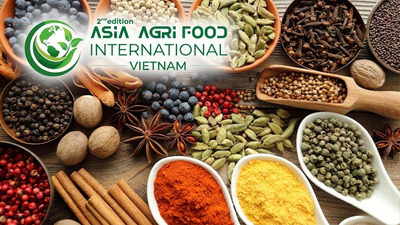
The rise of e-commerce platforms has also made a wide variety of spices more accessible to both domestic and international consumers. Moreover, Southeast Asian cuisine is gaining popularity worldwide, contributing to rising exports and global demand for authentic flavors. As a result, the region is not only strengthening its position as a major consumer market but also as a key supplier in the global spices trade.
Read More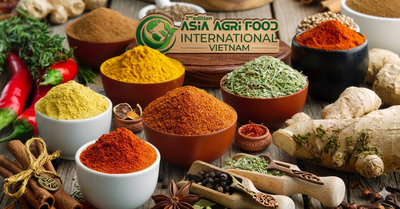
Key countries such as India, China, Vietnam, Indonesia, and Thailand are driving this growth. These nations not only cater to high domestic demand but also play a crucial role in global spice trade. Vietnam leads in pepper exports, while India dominates in a wide range of spices including turmeric, cumin, and chili, reinforcing the region’s importance in international markets.
Read More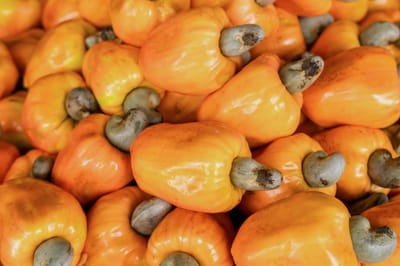
The rising demand for processed cashew kernels across major markets such as the United States, Europe, China, and the Middle East is also expected to strengthen Vietnam’s position in the global nut industry.
Read More