ARTICLE 4 #AgriBusiness
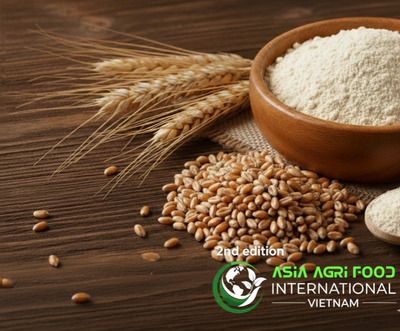
A related Index Box report focused on the broader Asia-Pacific region forecasts the wheat bran market to reach 58 million tons in volume and $14.6 billion in value by 2035 (slightly different regional scope).
Read More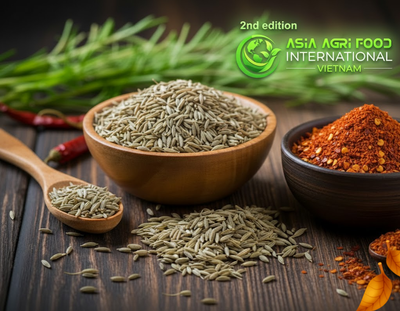
the development underscores the need for India to focus on quality differentiation, branding, and value-added spice products. Market analysts suggest that India still holds significant advantages, including established trade relationships, diverse spice varieties, and a strong reputation for quality.
Read More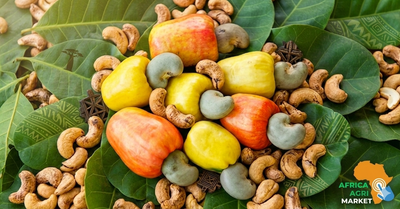
Africa’s dominance in cashew production makes it a key player in global food supply chains. Any changes in production levels, climate conditions, or trade policies across the continent can significantly influence global cashew prices and availability.
Read More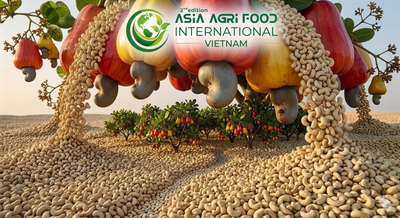
This trend is further supported by the expansion of online retail and premium food segments across Asia-Pacific. However, the industry also faces challenges. Southeast Asia remains heavily dependent on raw cashew imports from Africa, making it vulnerable to supply chain disruptions and rising logistics costs. Recent reports indicate that higher shipping costs and geopolitical tensions could impact export margins in 2026.
Read More
The rise of e-commerce platforms has also made a wide variety of spices more accessible to both domestic and international consumers. Moreover, Southeast Asian cuisine is gaining popularity worldwide, contributing to rising exports and global demand for authentic flavors. As a result, the region is not only strengthening its position as a major consumer market but also as a key supplier in the global spices trade.
Read More
The expanding middle class and urban population are further accelerating this shift toward protein-rich, plant-based diets. Health concerns are also playing a major role. Rising cases of lifestyle diseases such as obesity, diabetes, and heart conditions have encouraged people to adopt healthier eating habits.
Read More
Key countries such as India, China, Vietnam, Indonesia, and Thailand are driving this growth. These nations not only cater to high domestic demand but also play a crucial role in global spice trade. Vietnam leads in pepper exports, while India dominates in a wide range of spices including turmeric, cumin, and chili, reinforcing the region’s importance in international markets.
Read More
Technological advancements in packaging and preservation are also playing a crucial role in extending shelf life and maintaining product quality, thereby supporting market growth. Moreover, e-commerce platforms have made it easier for consumers to access a wide variety of spices, contributing to increased market penetration.
Read More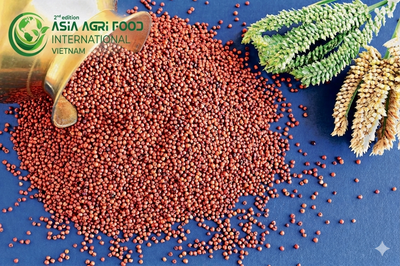
the Southeast Asia millet market represents an emerging opportunity that brings together health, sustainability, and food security in a rapidly evolving food landscape.
Read More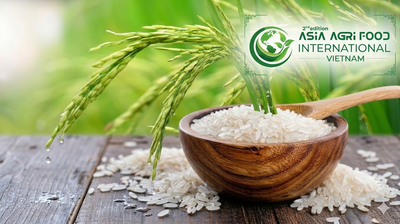
This growth is supported by government initiatives to strengthen food security, improve agricultural productivity, and stabilize rice supply. However, the market also faces challenges such as climate variability, rising input costs, and supply chain disruptions.
Read More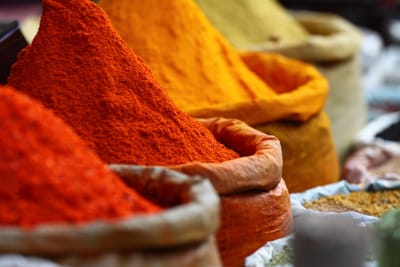
despite this strong outlook, the market still faces challenges such as supply chain disruptions, climate-related risks, and price fluctuations, which may limit faster growth compared to global benchmarks.
Read More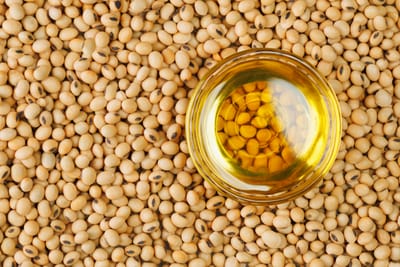
Countries in the region are focusing on strengthening soybean imports, processing capacity, and supply chain networks to meet growing domestic demand.🚜 I
Read More