ARTICLE 4 #FoodProcessing
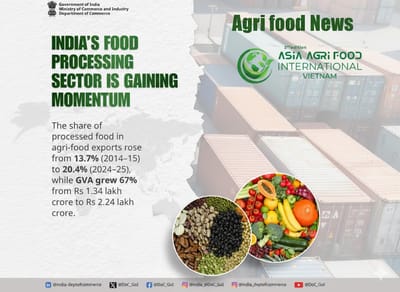
The Government of India continues to focus on policies that strengthen infrastructure, encourage investments, and promote innovative processing technologies, aiming to make India a global hub for processed food.
Read More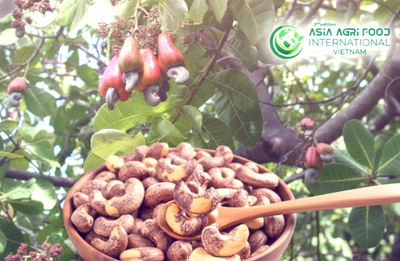
Investments in digital tracking, organic certification, and transparent supply chains are enabling Vietnamese cashew products to meet international compliance requirements while enhancing buyer confidence.
Read More
Overall, ongoing product innovation, sustainable sourcing, and growing health trends are expected to create new growth opportunities for the Rice Bran Oil market through 2032 📈.
Read More
The market features a mix of local producers, cooperatives, and international brands, focusing on product innovation, sustainable sourcing, and attractive packaging
Read More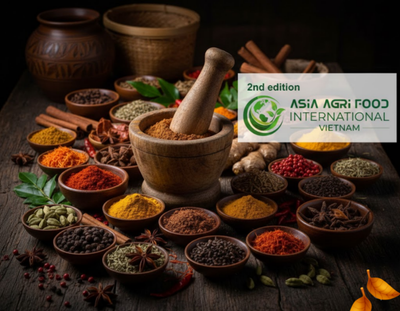
Asia spices market is poised for sustained growth, offering significant opportunities for producers, exporters, and investors seeking to capitalize on global demand for high-quality, natural ingredients .
Read More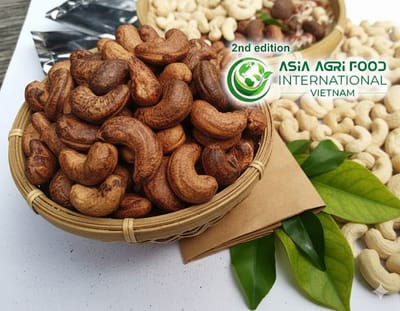
cashew processing plant is expected to become a model for sustainable agribusiness in West Africa, enhancing Nigeria’s position in the global cashew market and promoting economic growth in the region.
Read More
🌍♻️ The project reflects strong investment confidence and a commitment to long-term economic growth in the region.
Read More
This trend is further supported by the expansion of online retail and premium food segments across Asia-Pacific. However, the industry also faces challenges. Southeast Asia remains heavily dependent on raw cashew imports from Africa, making it vulnerable to supply chain disruptions and rising logistics costs. Recent reports indicate that higher shipping costs and geopolitical tensions could impact export margins in 2026.
Read More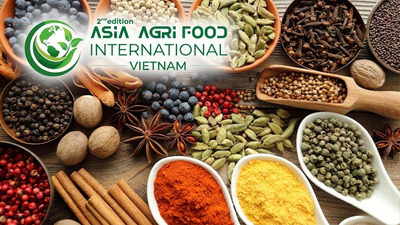
The rise of e-commerce platforms has also made a wide variety of spices more accessible to both domestic and international consumers. Moreover, Southeast Asian cuisine is gaining popularity worldwide, contributing to rising exports and global demand for authentic flavors. As a result, the region is not only strengthening its position as a major consumer market but also as a key supplier in the global spices trade.
Read More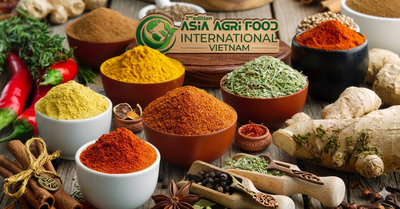
Key countries such as India, China, Vietnam, Indonesia, and Thailand are driving this growth. These nations not only cater to high domestic demand but also play a crucial role in global spice trade. Vietnam leads in pepper exports, while India dominates in a wide range of spices including turmeric, cumin, and chili, reinforcing the region’s importance in international markets.
Read More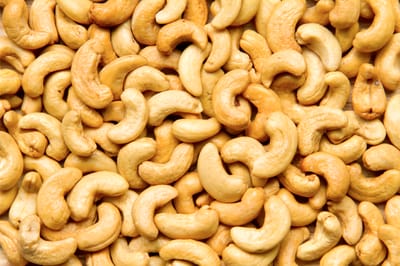
Vietnam remains heavily dependent on imported raw cashew nuts, primarily from African countries, which exposes the sector to supply chain risks and price volatility. Additionally, increasing competition from other processing nations and tightening quality regulations in importing countries may impact future growth.
Read MoreVietnam remains heavily dependent on imported raw cashew nuts, primarily from African countries, which exposes the sector to supply chain risks and price volatility. Additionally, increasing competition from other processing nations and tightening quality regulations in importing countries may impact future growth.
Read More