ARTICLE 4 #GlobalTrade
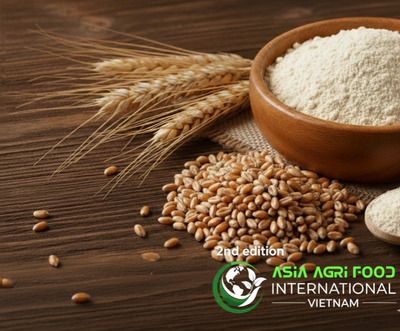
A related Index Box report focused on the broader Asia-Pacific region forecasts the wheat bran market to reach 58 million tons in volume and $14.6 billion in value by 2035 (slightly different regional scope).
Read More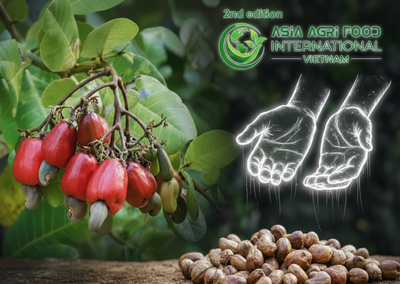
Vietnam has also set ambitious targets to boost overall annual export turnover in the wider cashew industry, with total export revenue reaching historic highs in 2025 and new milestones being reported beyond mid‑year figures.
Read More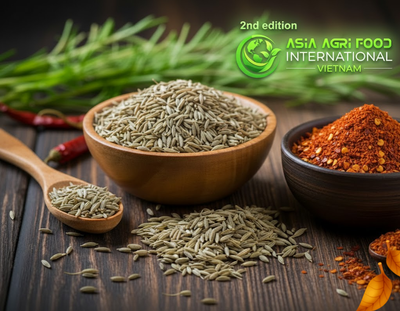
the development underscores the need for India to focus on quality differentiation, branding, and value-added spice products. Market analysts suggest that India still holds significant advantages, including established trade relationships, diverse spice varieties, and a strong reputation for quality.
Read More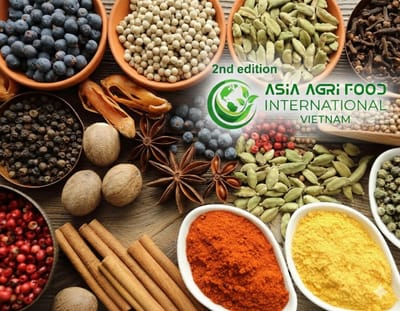
The higher growth in export volume compared to value suggests increased shipment quantities, while moderate value growth reflects price trends and global market dynamics during the year. The Spices Board highlighted that the performance demonstrates the resilience of India’s spice sector and its expanding footprint in international trade.
Read More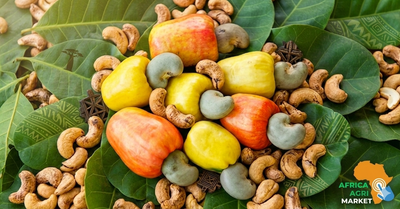
Africa’s dominance in cashew production makes it a key player in global food supply chains. Any changes in production levels, climate conditions, or trade policies across the continent can significantly influence global cashew prices and availability.
Read More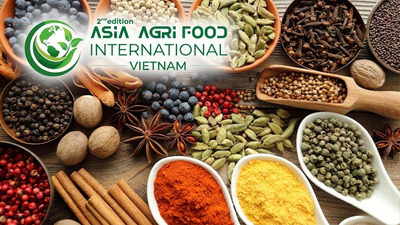
The rise of e-commerce platforms has also made a wide variety of spices more accessible to both domestic and international consumers. Moreover, Southeast Asian cuisine is gaining popularity worldwide, contributing to rising exports and global demand for authentic flavors. As a result, the region is not only strengthening its position as a major consumer market but also as a key supplier in the global spices trade.
Read More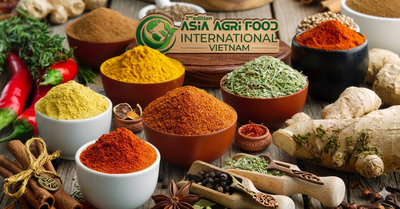
Key countries such as India, China, Vietnam, Indonesia, and Thailand are driving this growth. These nations not only cater to high domestic demand but also play a crucial role in global spice trade. Vietnam leads in pepper exports, while India dominates in a wide range of spices including turmeric, cumin, and chili, reinforcing the region’s importance in international markets.
Read More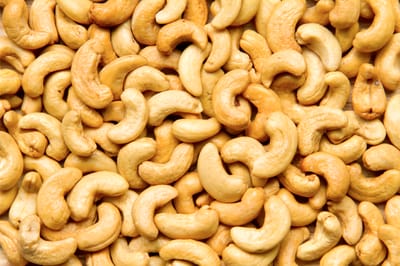
Vietnam remains heavily dependent on imported raw cashew nuts, primarily from African countries, which exposes the sector to supply chain risks and price volatility. Additionally, increasing competition from other processing nations and tightening quality regulations in importing countries may impact future growth.
Read MoreVietnam remains heavily dependent on imported raw cashew nuts, primarily from African countries, which exposes the sector to supply chain risks and price volatility. Additionally, increasing competition from other processing nations and tightening quality regulations in importing countries may impact future growth.
Read MoreVietnam remains heavily dependent on imported raw cashew nuts, primarily from African countries, which exposes the sector to supply chain risks and price volatility. Additionally, increasing competition from other processing nations and tightening quality regulations in importing countries may impact future growth.
Read MoreVietnam remains heavily dependent on imported raw cashew nuts, primarily from African countries, which exposes the sector to supply chain risks and price volatility. Additionally, increasing competition from other processing nations and tightening quality regulations in importing countries may impact future growth.
Read MoreVietnam remains heavily dependent on imported raw cashew nuts, primarily from African countries, which exposes the sector to supply chain risks and price volatility. Additionally, increasing competition from other processing nations and tightening quality regulations in importing countries may impact future growth.
Read More