MILLET MAIZE ETHANOL
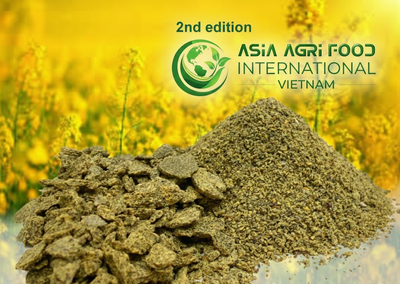
Indian rapeseed meal is being offered at significantly lower levels, around USD 200–235 per tonne on a CFR basis to Asian destinations. The price advantage has enhanced the competitiveness of Indian cargoes across Southeast Asia, particularly among feed millers seeking cost-effective protein alternatives.
Read More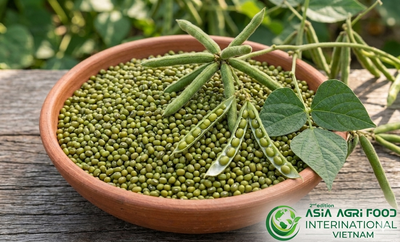
The expanding food processing sector is a key driver of demand. From glass noodles to bakery products and beverages, mung beans are increasingly incorporated for their nutritional value and adaptability. This marks a shift from traditional consumption toward industrial-scale utilization. Selective Import Market Creates Opportunities
Read More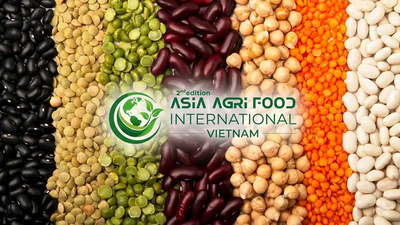
Market experts note that the strengthening of pulse prices is a positive development for the agricultural sector, especially for small and marginal farmers who depend heavily on these crops for their livelihood.
Read More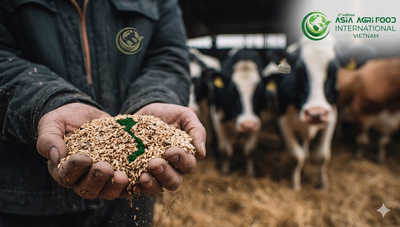
With the growing demand for affordable feed in India, imports could help stabilize prices and support livestock farmers. Government officials argue that the decision will improve feed availability and contribute to boosting milk and meat production in the country.
Read More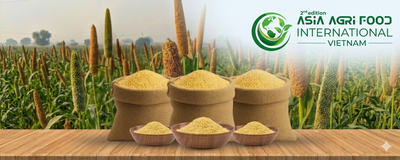
This makes them an attractive option for both farmers and policymakers aiming to ensure food security and environmental sustainability. As awareness continues to grow and product innovation expands, millets are set to play a crucial role in shaping the future of the global and Indian food industry.
Read More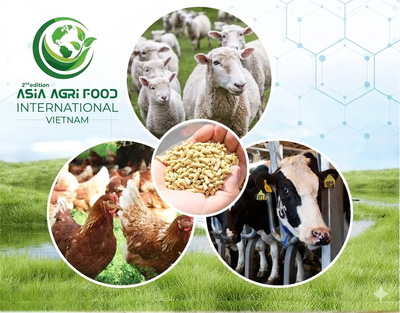
The growth is largely driven by expanding livestock production and a booming aquaculture sector, particularly in countries like Vietnam, Indonesia, and Thailand.
Read More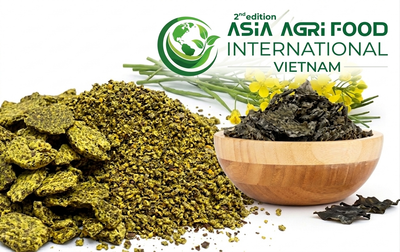
One of the primary drivers of this market growth is the rapid expansion of the global livestock and aquaculture sectors, particularly in Asia-Pacific and Southeast Asia.
Read More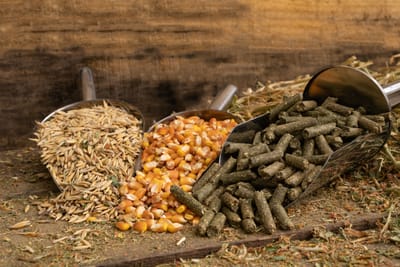
The growing focus on improving feed efficiency and animal nutrition is further accelerating adoption. DDGS offers a rich nutritional profile, including protein, fiber, and essential nutrients, making it a preferred choice among feed manufacturers and farmers alike.
Read More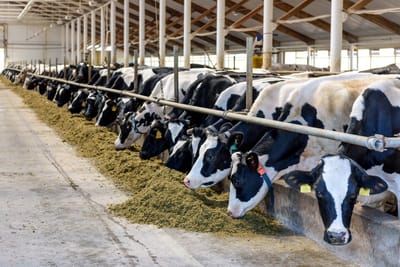
As population growth and urbanization continue to boost protein consumption, farmers and feed producers are investing in advanced machinery to improve efficiency, quality, and output.
Read More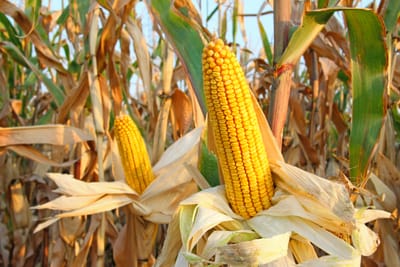
Despite these concerns, strong demand from the feed industry is expected to keep the Southeast Asia corn market on a steady growth trajectory in the coming years.
Read More
Exporters are optimistic that the growing trade relationship between India and Vietnam will create new opportunities for the agri-export sector while helping diversify India’s oilmeal export destinations. Analysts also expect demand to remain firm as global feed producers seek affordable alternatives amid fluctuating soybean meal prices.
Read More
🚜🌾 GLOBAL ANIMAL FEED & AQUAFEED MARKET VALUE REACHES USD 27.96–28.5 BILLION 📈🐟 www.asiaagrifood.com
analysts expect the animal feed and aquafeed market to maintain steady growth in the coming years, creating new opportunities for producers, exporters, and agricultural stakeholders globally. 🌍🐄🐓🐟
Read More