MILLET MAIZE ETHANOL

Africa is expected to drive higher sugar demand, supporting continued growth in the global sugar market. However, supply is projected to be more relaxed with moderate prices in the 2026/2027 season, while Brazil’s sugar production is estimated at 41–44 million metric tons.
Read More
China, which long dominated rice production, was surpassed this year as India’s rice output outpaced it. The achievement reflects continued policy support, adoption of improved farming techniques, and sustained efforts by the Indian farming community.
Read More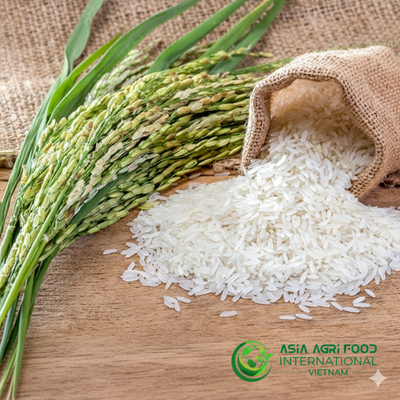
Ongoing supply from major producers like India and Vietnam could keep pressure on export prices, particularly if global buying appetite does not strengthen.
Read More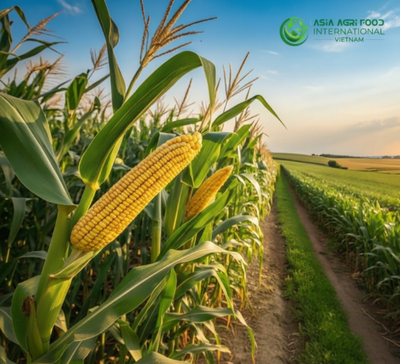
challenges from fluctuating global prices and changing import policies in major markets. Nevertheless, the current price-parity boost offers a significant opportunity for India to strengthen its maize export sector 🌽💹🚢.
Read More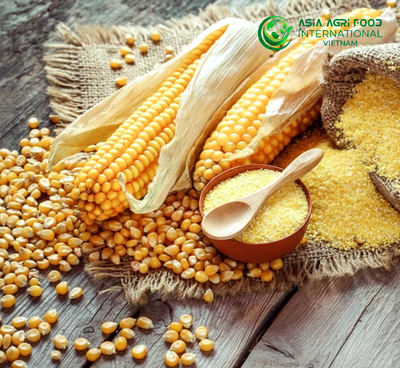
The provincial leadership emphasized that embracing climate-resilient crops is critical for sustainable agriculture and long-term food security.
Read More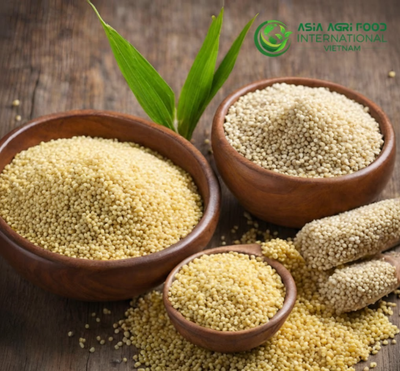
www.asiaagrifood.com - 🌾🌱 Millets Emerge as Climate-Resilient, Nutrition-Rich Crops for the Future 💪
Officials say promoting millets will not only strengthen food and nutritional security but also support sustainable agriculture and enhance farmers’ incomes. As climate challenges intensify, millets are increasingly seen as crops of the future.
Read More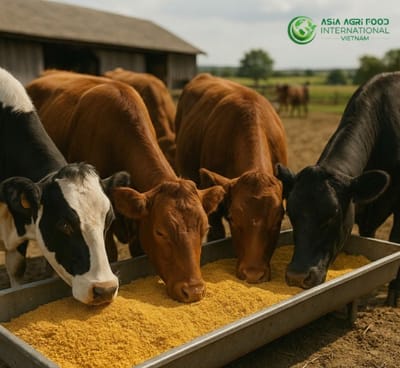
As farmers continue to look for resilient and affordable feeding solutions, DDGS is emerging as a key ingredient shaping the future of animal nutrition.
Read More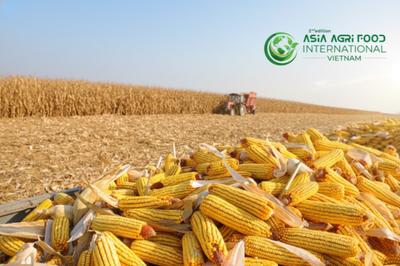
Economists caution that without a notable increase in domestic or export demand, the corn market could see continued price pressure throughout 2026. Some forecasts even expect acreage to decline next season as producers respond to low price signals.
Read More
The tariff announcement has already caught the attention of market watchers. The shares of major Indian Basmati rice exporters came into focus as investors weighed the potential impact of disrupted exports to Iran.
Read More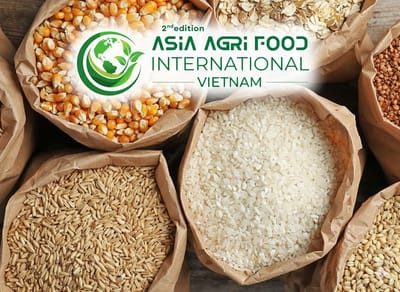
The uptick in cereal prices comes at a time when global food markets continue to face volatility driven by climate risks, geopolitical tensions, and fluctuating energy costs.
Read More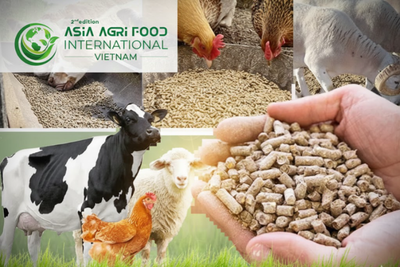
Ultimately, this reflects a broader trend of trade policy being used to promote environmental goals while addressing domestic air quality issues.
Read More
The current unrest comes alongside broader economic pressures like foreign exchange shortages, which were already challenging trade before recent turmoil.
Read More