ARTICLE 4
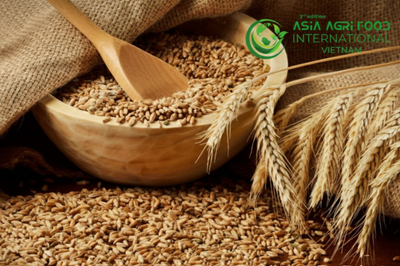
Demand remains steady, supported by food security needs and increased buying interest at lower price levels. However, this demand has not been strong enough to absorb the excess supply quickly, keeping market fundamentals tilted toward buyers.
Read More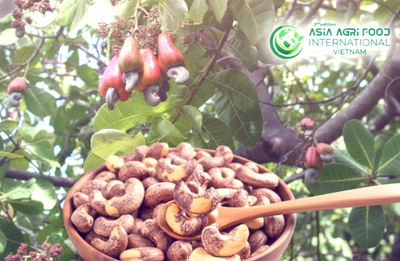
Investments in digital tracking, organic certification, and transparent supply chains are enabling Vietnamese cashew products to meet international compliance requirements while enhancing buyer confidence.
Read More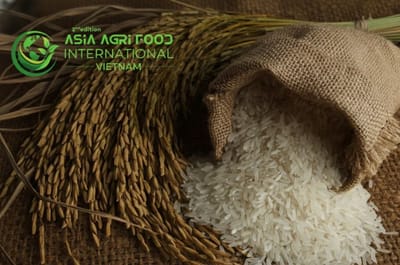
The latest developments highlight the interconnected nature of Southeast Asia’s rice market and the delicate balance between domestic supply, export demand, and regional trade policies.
Read More
Overall, ongoing product innovation, sustainable sourcing, and growing health trends are expected to create new growth opportunities for the Rice Bran Oil market through 2032 📈.
Read More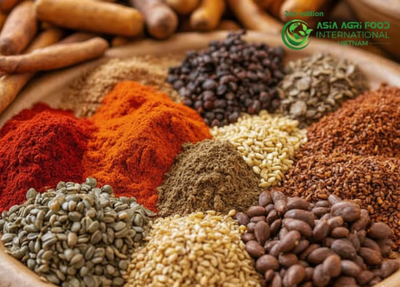
Spices remain the largest product segment, while seasoning blends and salt substitutes are among the fastest‑growing categories as consumers seek new flavor profiles.
Read More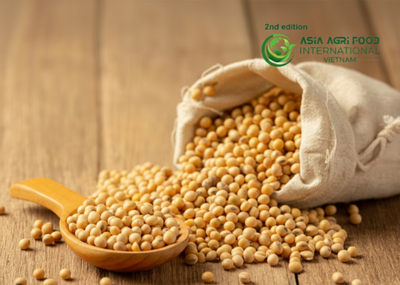
Price trends for soybean meal in Thailand have recently shown some downward pressure due to global supply increases, with raw material costs declining in early 2025. These shifts have eased some production costs for feed mills and livestock producers.
Read More
The market features a mix of local producers, cooperatives, and international brands, focusing on product innovation, sustainable sourcing, and attractive packaging
Read More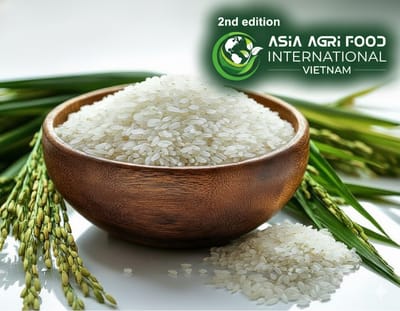
Market participants said purchasing activity was largely need-based, with many buyers delaying large commitments while monitoring price movements and currency fluctuations.
Read More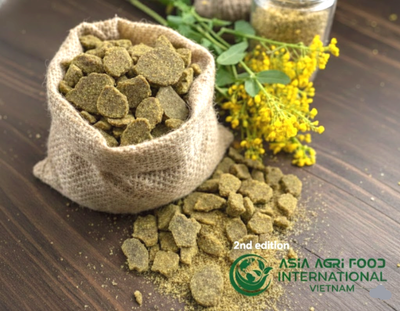
China’s growing demand and EU market shifts have pushed Ukraine to reorient its rapeseed meal exports toward China, marking a historic trade milestone.
Read More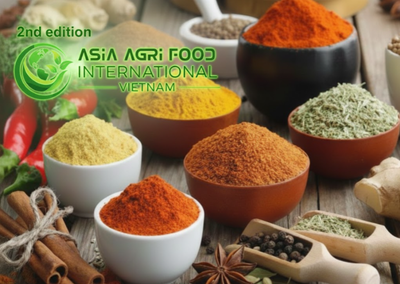
As the dried spices market continues its upward trajectory, manufacturers and retailers are focusing on innovation, sustainability, and enhanced distribution strategies to stay competitive.
Read More
the final outcome remains uncertain. If enacted, the policy could have significant implications for food supply chains, animal health standards, and waste management practices across Russia.
Read More
Experts emphasize the need for preferential credit packages, flexible loan terms, and risk-sharing mechanisms to help farmers and businesses access capital for technology upgrades, green production, and large-scale cultivation.
Read More