ARTICLE 4
the development underscores the need for India to focus on quality differentiation, branding, and value-added spice products. Market analysts suggest that India still holds significant advantages, including established trade relationships, diverse spice varieties, and a strong reputation for quality.
Read More
The higher growth in export volume compared to value suggests increased shipment quantities, while moderate value growth reflects price trends and global market dynamics during the year. The Spices Board highlighted that the performance demonstrates the resilience of India’s spice sector and its expanding footprint in international trade.
Read More
Analysts note that while rice exports can bring economic benefits and help stabilize global rice prices, ensuring high quality and efficient distribution will be key to maintaining Indonesia’s reputation in international markets.
Read MoreAgriculture experts advise farmers to focus on proper harvesting, grading, and storage practices so they can maintain quality and get the best prices in the market. If the current demand trend continues, pepper growers could see a profitable season ahead. 🌾🌶️
Read More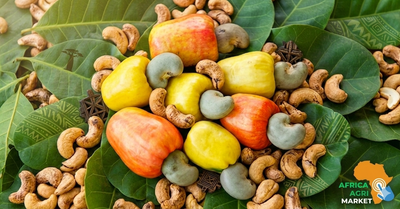
Africa’s dominance in cashew production makes it a key player in global food supply chains. Any changes in production levels, climate conditions, or trade policies across the continent can significantly influence global cashew prices and availability.
Read More
export demand for certain varieties. Staples such as turmeric, cumin, and coriander have seen noticeable price corrections in wholesale markets, particularly due to higher-than-expected production and steady inflow from major growing regions. Despite this decline, the broader food inflation trend remains a concern.
Read More
Despite the positive outlook, the industry faces challenges such as fluctuating raw material prices and regulatory pressures related to plastic usage. However, with continuous innovation and a strong push toward sustainability, the food packaging market is expected to maintain its upward trajectory in the coming years
Read More
The buffer stock is also expected to help control inflation and protect consumers from sudden price spikes. Experts note that while the reserves are reassuring, continued monitoring of weather patterns and global supply chains will remain essential to maintain long-term food security.
Read More
This trend is further supported by the expansion of online retail and premium food segments across Asia-Pacific. However, the industry also faces challenges. Southeast Asia remains heavily dependent on raw cashew imports from Africa, making it vulnerable to supply chain disruptions and rising logistics costs. Recent reports indicate that higher shipping costs and geopolitical tensions could impact export margins in 2026.
Read More
The rise of e-commerce platforms has also made a wide variety of spices more accessible to both domestic and international consumers. Moreover, Southeast Asian cuisine is gaining popularity worldwide, contributing to rising exports and global demand for authentic flavors. As a result, the region is not only strengthening its position as a major consumer market but also as a key supplier in the global spices trade.
Read More
The expanding middle class and urban population are further accelerating this shift toward protein-rich, plant-based diets. Health concerns are also playing a major role. Rising cases of lifestyle diseases such as obesity, diabetes, and heart conditions have encouraged people to adopt healthier eating habits.
Read More
The MPOB emphasized that continued investment in biodiesel infrastructure and technology will be critical to meeting these targets. As global demand for renewable fuels grows, Malaysia is positioning itself as a key player in the biodiesel market, leveraging its status as one of the world’s largest palm oil producers.
Read More