ARTICLE 4
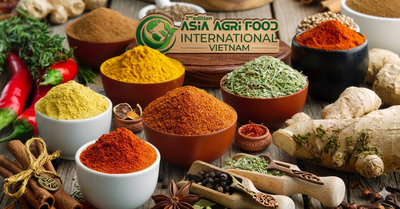
Key countries such as India, China, Vietnam, Indonesia, and Thailand are driving this growth. These nations not only cater to high domestic demand but also play a crucial role in global spice trade. Vietnam leads in pepper exports, while India dominates in a wide range of spices including turmeric, cumin, and chili, reinforcing the region’s importance in international markets.
Read More
Technological advancements in packaging and preservation are also playing a crucial role in extending shelf life and maintaining product quality, thereby supporting market growth. Moreover, e-commerce platforms have made it easier for consumers to access a wide variety of spices, contributing to increased market penetration.
Read More
Despite global market fluctuations and occasional supply disruptions, the region’s demand outlook remains stable. Governments and private stakeholders are also focusing on food security and diversification, which supports sustained growth in wheat imports and flour production.
Read More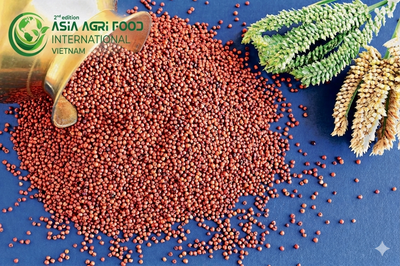
the Southeast Asia millet market represents an emerging opportunity that brings together health, sustainability, and food security in a rapidly evolving food landscape.
Read More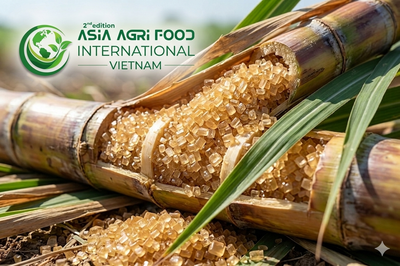
Both measures are expected to boost ethanol demand and influence sugar production decisions. Meanwhile, white sugar prices also moved higher, gaining 0.6% to settle at USD 437.70 per metric tonne.
Read More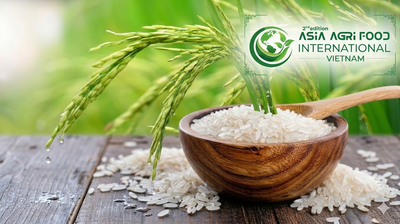
This growth is supported by government initiatives to strengthen food security, improve agricultural productivity, and stabilize rice supply. However, the market also faces challenges such as climate variability, rising input costs, and supply chain disruptions.
Read More
Despite these challenges, the outlook remains positive. With consistent demand growth and increasing diversification toward health-focused products, Southeast Asia’s edible oil market is expected to maintain its upward trajectory over the coming years.
Read More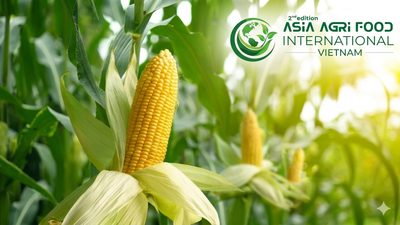
Asia-Pacific corn market is positioned for stable growth, supported by structural demand from food, feed, and industrial sectors. The projected 4.9% CAGR highlights the region’s importance in the global agricultural landscape and signals continued opportunities for producers, traders, and investors alike.
Read More
Vietnam remains heavily dependent on imported raw cashew nuts, primarily from African countries, which exposes the sector to supply chain risks and price volatility. Additionally, increasing competition from other processing nations and tightening quality regulations in importing countries may impact future growth.
Read MoreVietnam remains heavily dependent on imported raw cashew nuts, primarily from African countries, which exposes the sector to supply chain risks and price volatility. Additionally, increasing competition from other processing nations and tightening quality regulations in importing countries may impact future growth.
Read MoreVietnam remains heavily dependent on imported raw cashew nuts, primarily from African countries, which exposes the sector to supply chain risks and price volatility. Additionally, increasing competition from other processing nations and tightening quality regulations in importing countries may impact future growth.
Read MoreVietnam remains heavily dependent on imported raw cashew nuts, primarily from African countries, which exposes the sector to supply chain risks and price volatility. Additionally, increasing competition from other processing nations and tightening quality regulations in importing countries may impact future growth.
Read More